What Is a Building Inspection? - Full Guide for Homeowners
Buying a home is one of the biggest investments you will make. To protect that investment, you need to know whether the property is genuinely safe and in good condition. That is where a building inspection helps.
A building inspection is a professional check of a property, like a health check for your future home. A licensed inspector looks for issues such as crumbling foundations, defective wiring, and hidden water damage.
Finding these problems early can save you from costly repairs and financial stress. This guide explains what is involved in a building inspection as well as what inspectors check and. You will also see how the process works and how to use the report to make confident decisions.
Why Do Building Inspections Matter?
For homeowners and buyers, a building inspection matters because it reduces guesswork. It can help you avoid a home with serious structural problems, plan for maintenance and use the findings to negotiate price or repairs. Done early, it can save you from costly surprises after settlement.
Benefits for Homeowners
Inspections help you avoid nasty surprises. If a damaged roof or faulty plumbing is found before you buy, you can plan repairs or negotiate with the seller rather than deal with big bills later. Knowing a qualified professional has checked the property gives you real peace of mind.
When you understand what is involved in a building inspection, the inspection itself becomes a powerful tool. You can adjust your offer, request repairs, or plan your renovation budget with clear information, not guesswork.
What Is Involved in a Building Inspection?
A thorough inspection examines multiple areas of your property. Many buyers also search for what is the order of building inspections, so this section shows what gets checked during a standard assessment.
External Areas and Structural Elements
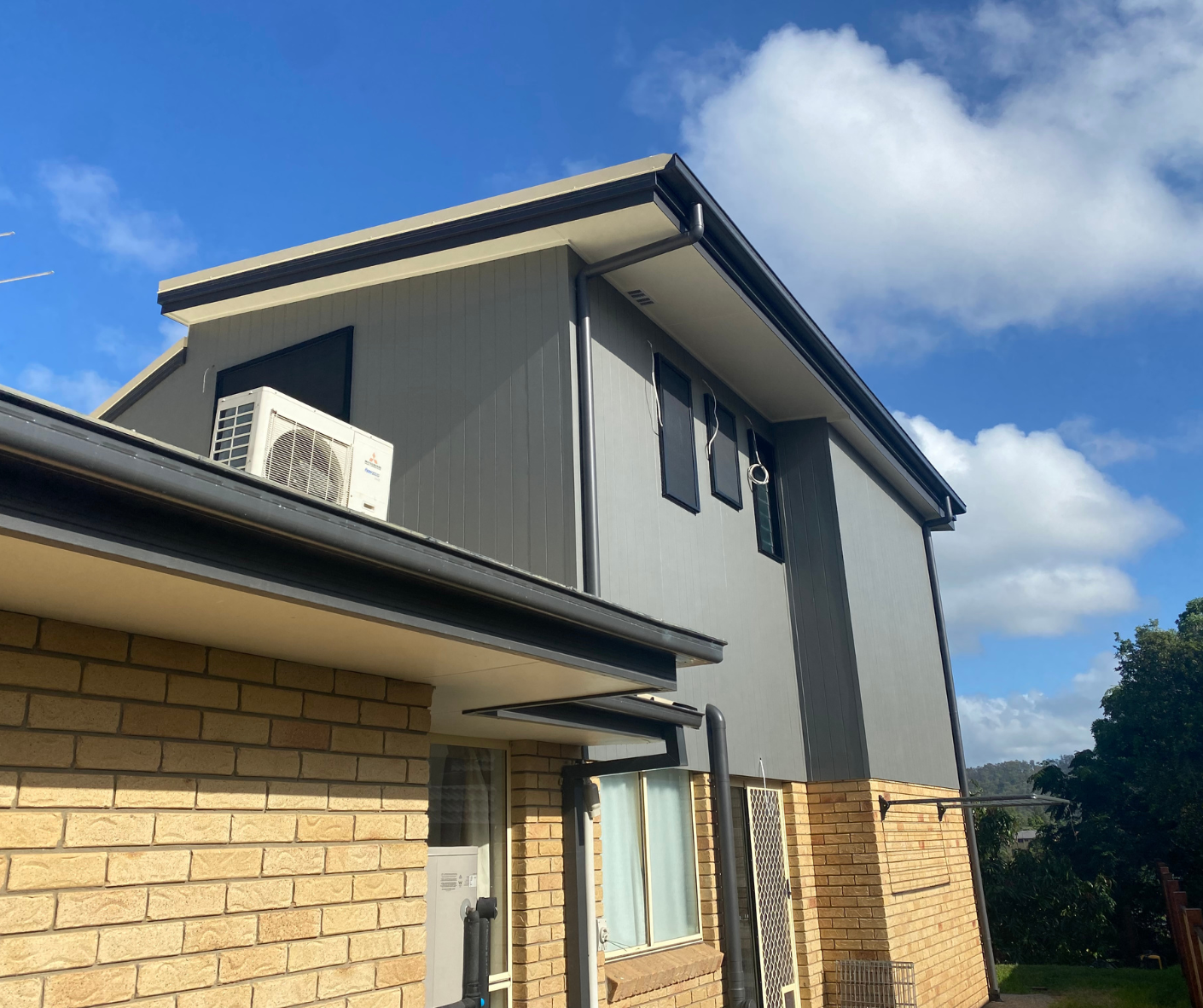
Outside, the inspector examines the roof, gutters, walls, foundations, and drainage for any visible damage or movement. They also note the materials used and the structure’s overall build quality.
Internal Structure and Surfaces
Inside, the inspector checks ceilings, walls and floors for any damp spots, sagging or cracks. The inspector also watches for poor workmanship or wear that could turn into bigger issues.
Systems and Services (Where Applicable)
The inspector inspects accessible plumbing, electrical systems, hot water units and ventilation. They do not test appliances or pull fixtures apart, so the check stays visual only.
Limitations of Standard Inspections
A standard inspection does not cover areas the inspector cannot safely reach, such as wall cavities, tight under-floor spaces or parts of the roof. It also usually excludes pests, asbestos and detailed compliance checks unless you arrange them as separate inspections.
What is the Order of Building Inspections from Start to Finish?
A building inspection follows a clear set of steps so nothing is overlooked. Knowing these steps helps you fit the inspection into your contract timeline and stay calm.
Booking and Preparing for the Inspection
Choose a licensed, insured inspector with experience in similar homes and clear sample reports. Confirm scope, fees and extras, and ensure the agent provides access to roof spaces, subfloors and locked areas.
Onsite Visual Assessment
The inspector checks inside, outside and accessible roof or subfloor areas for defects, safety risks and moisture. They also take photos and may use tools like moisture metres or thermal cameras.
Post-Inspection Report
After the visit, you receive a written report that clearly explains the property’s condition. It detects major and minor issues, highlights any inspection limitations, and may recommend specialised follow-up.
Tips for Making the Most of Your Building Inspection
A building inspection is only helpful if you use the report as a decision-making tool, not just as bank paperwork. Here are some tips to help you make the most of your building inspection.
Attend the Inspection (If Possible)
If you attend, you will be able to view the issues directly and ask the inspector about their implications for safety, cost, and timing. A short walk through often tells you more about the house than reading the report alone.
Focus on Major vs Minor Issues
Use the report to distinguish between major dangers such as structural movement, widespread dampness, and catastrophic roof issues from minor cosmetic flaws. The major items should drive your negotiations, repair requests, and overall decision.
Request Specialist Inspections When Needed
If the study reveals termites, severe cracking, questionable materials, or ancient services, contact a pest inspector, structural engineer, or licensed trade specialist. A small extra cost now can prevent major repair bills and ongoing safety worries later.
Why Alps Constructions Recommends Building Inspections
A building inspection shows the true condition of a home you own or plan to buy. It replaces guesswork about hidden defects with a practical list of risks and repair priorities.
Compared with the cost of major structural repairs, the inspection fee is a small investment. Alps Constructions can help with building inspections, renovations and custom new homes. Contact our team today to discuss your plans and book your building inspection.
Key Takeaways
There is a lot to think about when purchasing a property, so it helps to keep a few simple points in mind. These reminders will keep you grounded when the excitement of a new home tries to overrule your common sense.
A building inspection is a visual check of the structure and key systems by a qualified inspector. It includes accessible roofs, walls, floors, foundations, roof space, subfloors, and basic services, but excludes invasive testing and concealed cavities. The report helps you negotiate, plan repairs, and manage future maintenance, especially when you choose a licensed inspector and ask clear questions.
FAQs
1. What is a building inspection in Australia?
In Australia, a building inspection is a visual assessment of a property's condition carried out by a suitably qualified inspector. It is used to identify defects, safety issues and maintenance needs before you commit to a purchase or major work.
2. What does a standard building inspection include?
Most standard inspections cover the interior, exterior, roof exterior, roof space, subfloor and surrounding site where access is safe and reasonable. The inspector records significant defects, safety hazards and items that may need further specialist assessment.
3. What is not included in a building inspection report?
An inspector will not cut into structures, lift fixed flooring, move heavy furniture or inspect areas that are sealed, hidden or unsafe to enter. Detailed pest checks, asbestos surveys, strict code compliance sign-offs and structural engineering calculations usually require separate services.
4. When should you get a building inspection as a homeowner?
You should book an inspection before buying, before an auction, or before a cooling-off period ends or when selling so you can address issues early. Long-term owners also benefit from periodic inspections to track ageing, storm damage and wear.
5. How long does a building inspection take?
For a typical home, an inspection often takes around one to three hours, depending on the age, size and complexity of the property. Larger or more complicated buildings can take longer because there is more to check and document.
6. Who conducts a building inspection, and what qualifications are needed?
Builders who hold the right registrations and insurance can conduct inspections, but in Queensland, a builder’s licence alone may not be enough. Choose an inspector with a separate QBCC building inspection licence and the extra insurance required, then ask for their licence number, proof of cover, and a sample report, and check local reviews.
7. How much does a building inspection cost in Australia?
Costs vary by region and property size, but many standard inspections for houses fall in the mid-hundreds of dollars. Combined building and pest inspections or work on large or high-value homes will usually sit at the upper end of that range or above.
8. Can a building inspection detect termite damage or pests?
A standard building inspection may spot signs that suggest termite or pest activity, such as damaged timber or moisture patterns. For a thorough check, you should arrange a dedicated pest inspection or a combined building and pest inspection.
9. Do I need a building inspection on a new home?
Yes, new homes can still have defects such as poor waterproofing, movement or finishing issues that only show up under close inspection. A handover or building inspection helps you identify problems while the builder's warranty periods still apply.
10. What should I do if my report shows major defects?
Talk through the findings with your inspector and, if needed, get quotes or specialist opinions so you understand the cost and risk. You can then renegotiate, request repairs, delay, withdraw from the purchase, or plan staged work if you already own the home.