Do Home Renovations Increase Property Value? What Brisbane Homeowners Need to Know
You have probably heard the kitchen and bathroom advice a hundred times. Spend on those two rooms, the story goes, and the property value follows. But if you are weighing up something bigger: a whole-home renovation, a rear extension, or a house raise, you want a more useful answer than that.
The honest answer to the question “Does renovating increase home value?” is yes. But the return depends heavily on what type of renovation you do, how well it aligns with your suburb's market, and how carefully the project is planned and executed. A well-scoped renovation on the right home in the right suburb can deliver returns well above the cost of the work. The same budget spent poorly can return very little.
This guide walks through the renovation types that deliver the strongest results, what kills your ROI, and how Brisbane's specific market shapes the calculation.
Do Home Renovations Increase Property Value?
Generally, yes. Home renovations in Brisbane deliver the strongest return on investment when they address real property weaknesses, increase liveable space, or update an older home to meet buyer expectations in the local suburb. The strongest returns tend to come from work that adds functional square metres, resolves structural or flood resilience issues, or updates a home that has fallen well behind contemporary standards.
Alps Constructions, a Brisbane renovation and extension specialist, finds that homeowners are often surprised by how much scope matters for returns. Cosmetic-only upgrades deliver lower returns than structural or whole-home work. It is not that paint and flooring are a bad idea, but the dollar uplift from a coat of paint is modest compared to what adding a functional room or raising a flood-affected home can achieve.
Which Renovations Add the Most Value in Brisbane?
Home renovation return on investment depends on more than just how much you spend. Here are the renovations that add the most value.
Cosmetic and Surface Upgrades
Fresh paint, new flooring, updated lighting, and modern fixtures consistently deliver a strong return on investment relative to their cost. The reason is straightforward. These changes are low-cost and high-visual impact, and they dramatically affect how a home presents at inspection.
For a property already in sound structural condition, cosmetic work can be the difference between a quick sale at market value and a prolonged campaign at a discount. You are competing on presentation, not changing what the home fundamentally is. For older homes with dated bones, cosmetic work alone rarely unlocks the property's full potential.
Kitchen and Bathroom Renovations
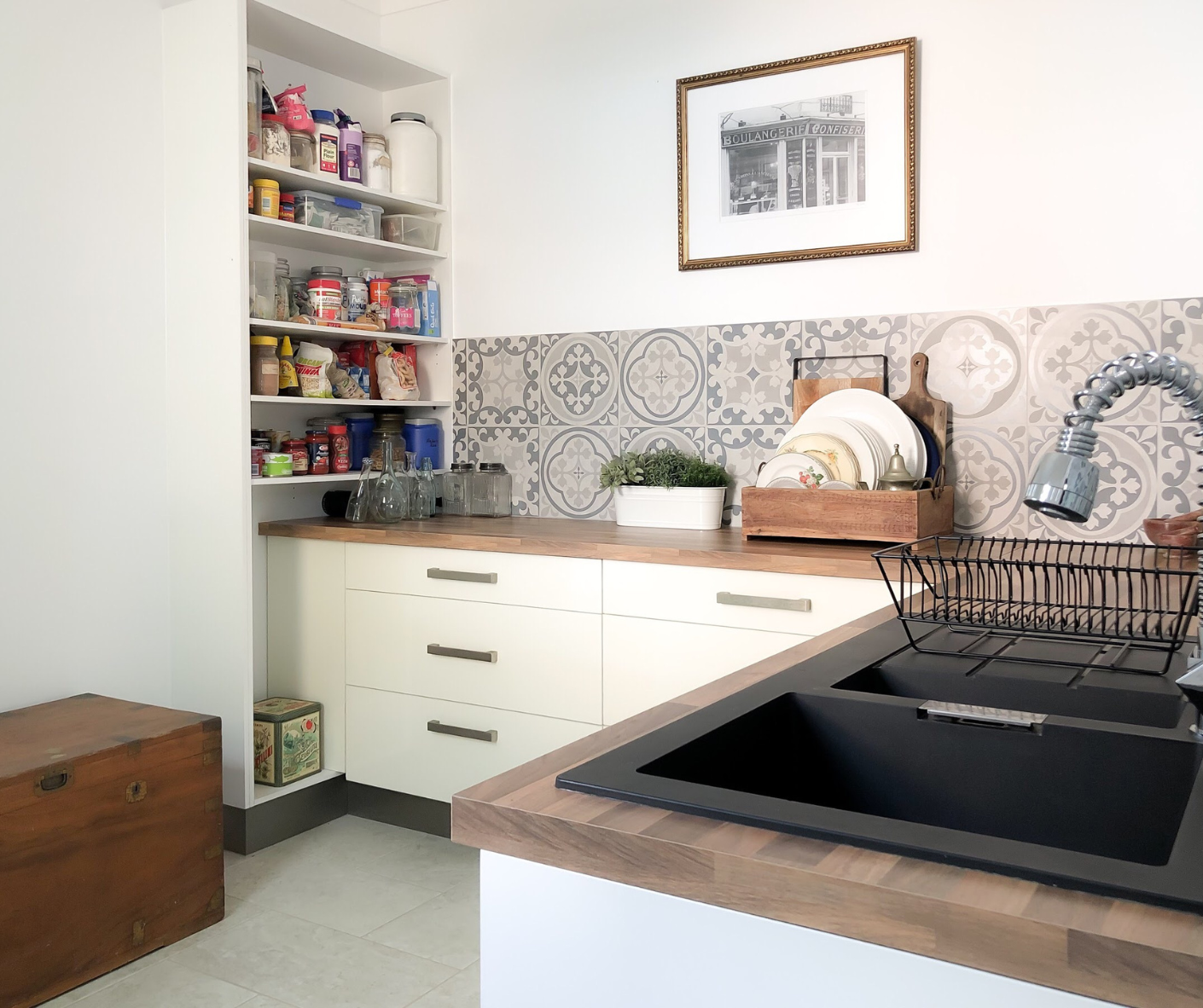
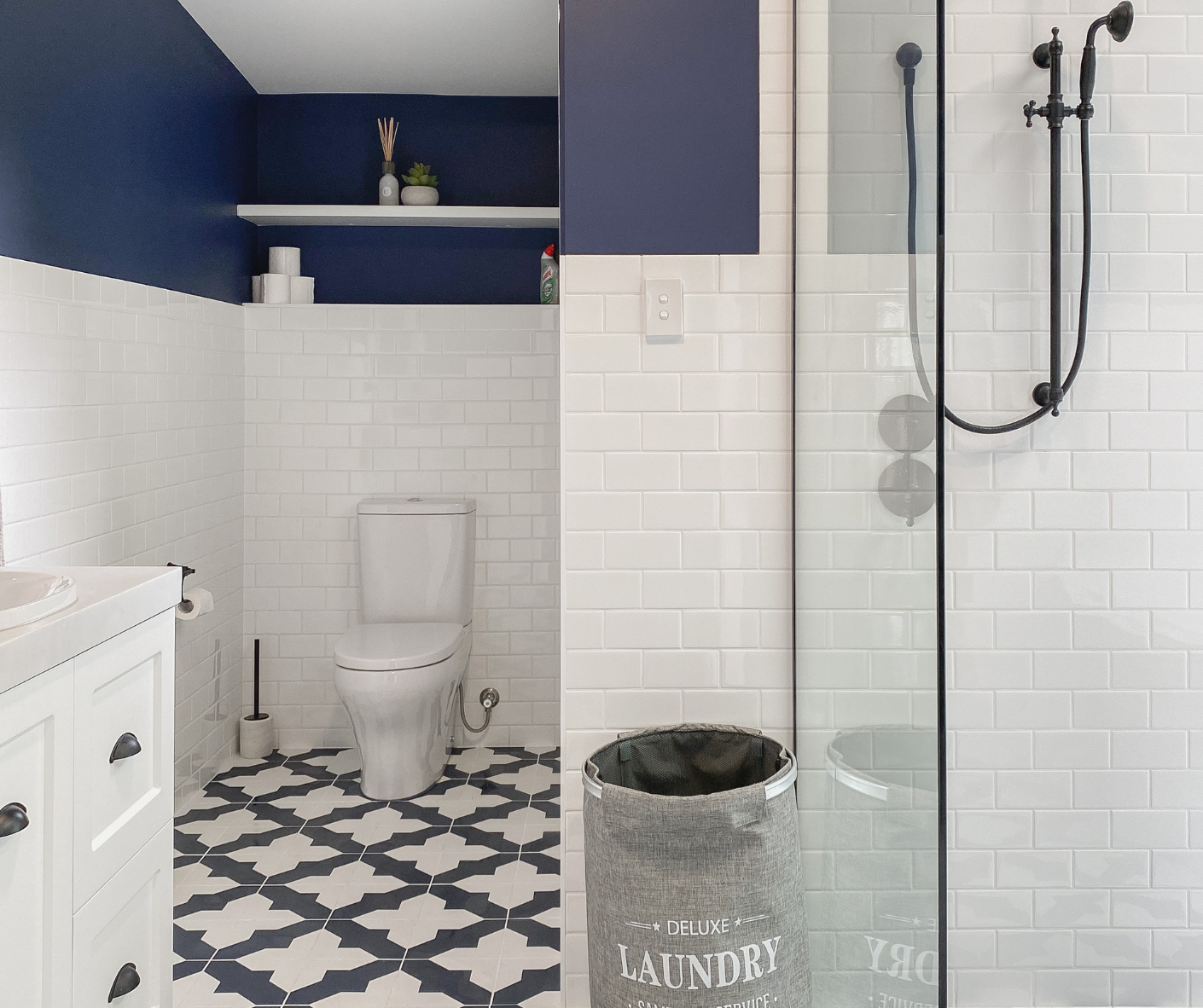
Kitchen and bathroom work delivers reliable returns, particularly when the finishes are targeted to the suburb demographic rather than pushed to luxury. A mid-range kitchen renovation that transforms a dated, closed-plan space into something functional and appealing will consistently add value. A $150,000 showcase kitchen in a suburb where comparable homes sell at $900,000 will not return its full cost at sale.
The risk of overcapitalising is real in this category. Matching the renovation budget to what your suburb will support at sale is a more important decision than which stone benchtop to choose. A good builder will flag this early in the scoping conversation.
Whole-Home Renovations and Extensions
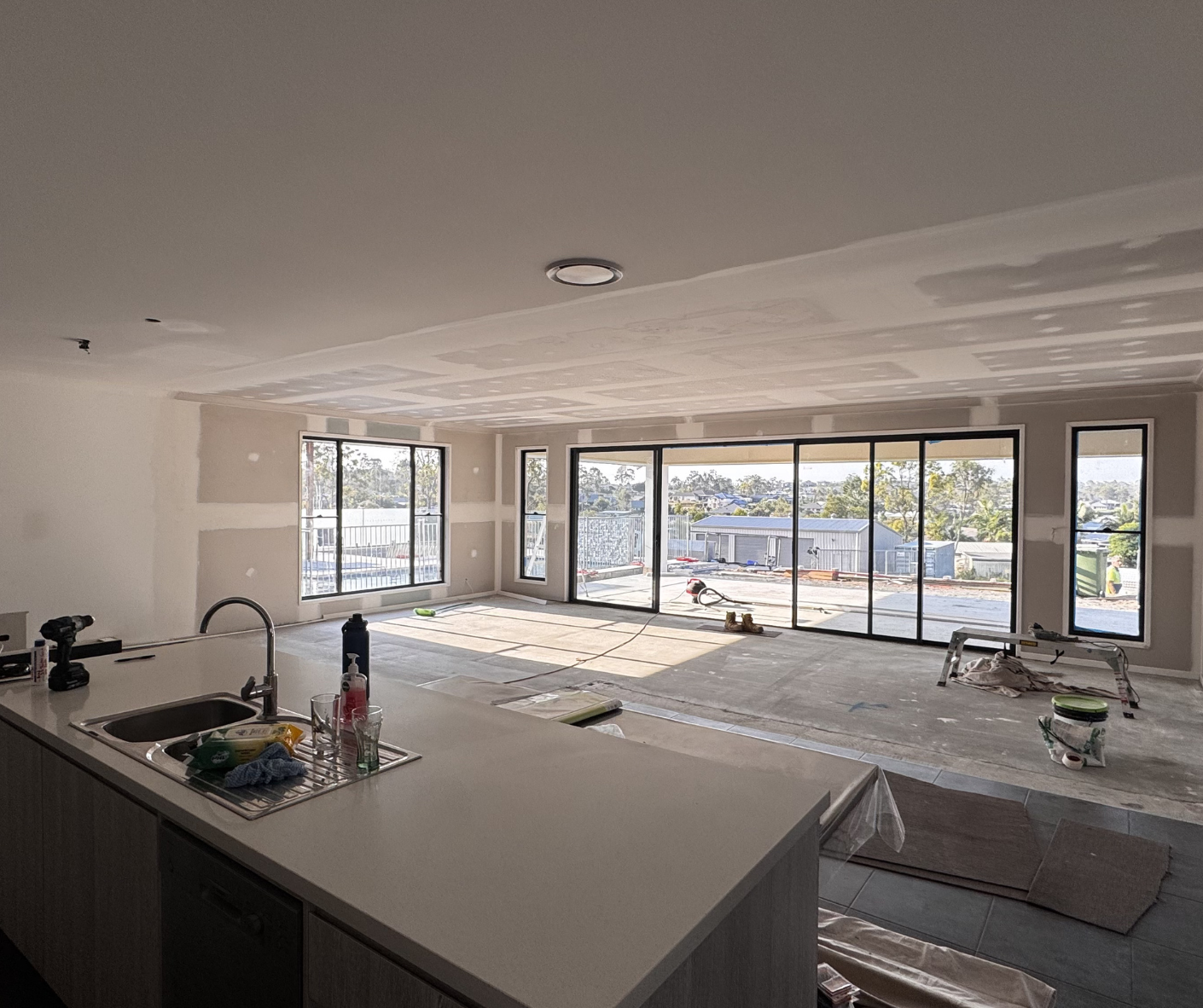
This is where the post diverges from the standard renovation content. Whole-home renovation projects in Brisbane, particularly in the Western suburbs where homes are reaching the age of their first major transformation, can deliver returns well beyond what individual room upgrades achieve.
When a dated home is brought up to contemporary standards across layout, functionality, kitchen, bathrooms, and presentation in a single cohesive project, the cumulative uplift can be substantial.
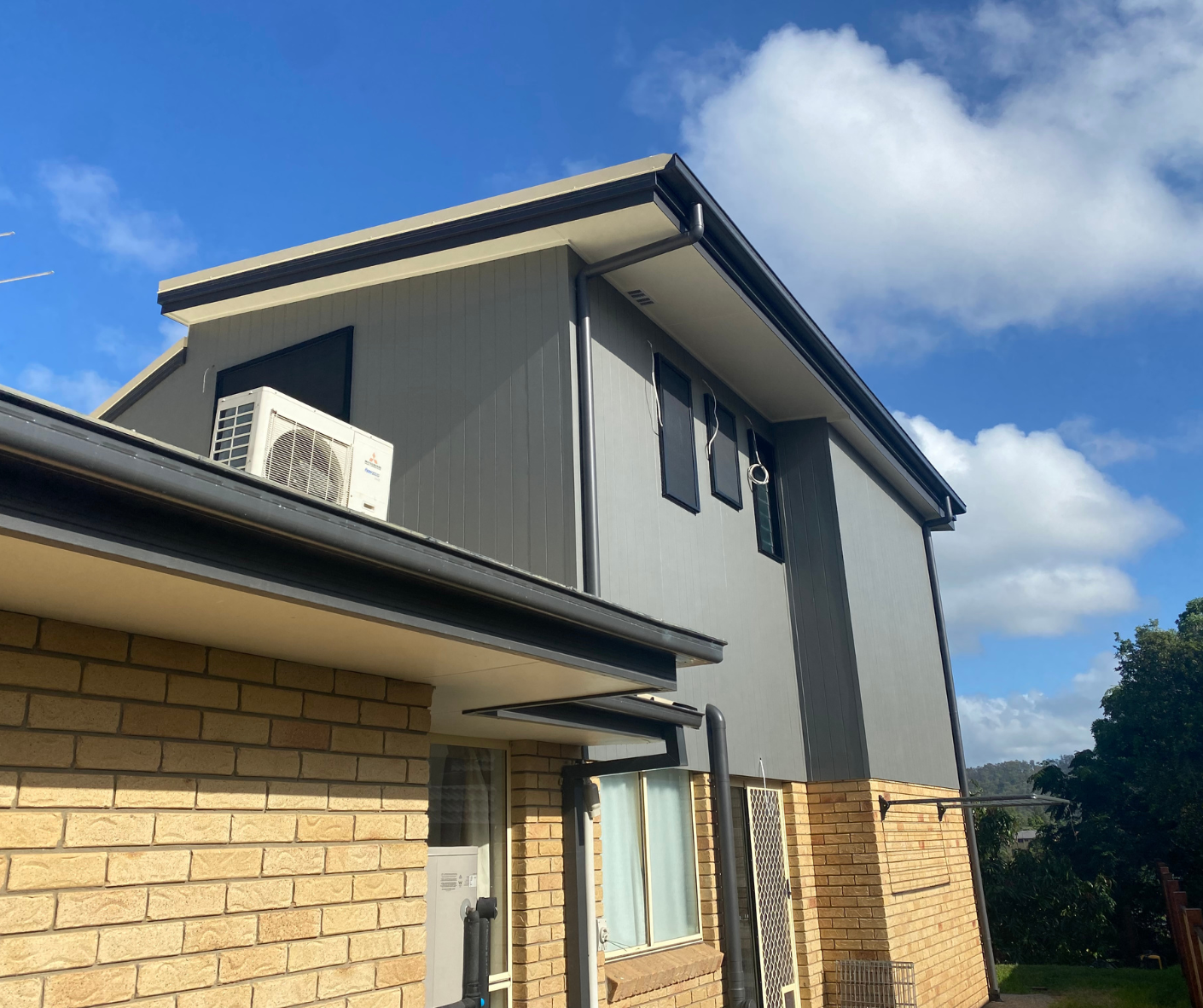
Rear extensions and second-storey additions that add liveable square metres are in a different category again. They change the fundamental size and usability of the home, and buyers pay for space. The return on an extension is not only in resale value. It also includes avoided costs: no stamp duty on a new purchase, no agent fees, no moving costs, and no compromise on the block or street you chose in the first place.
Renovation Type vs Estimated Value Impact
| Renovation Type | Typical Value Impact | Notes |
|---|---|---|
| Cosmetic refresh (paint, flooring, fixtures) | Moderate relative to cost | High ROI%, modest $ gain |
| Kitchen renovation | Moderate to strong | Risk of overcapitalising in lower-value suburbs |
| Bathroom renovation | Moderate to strong | Returns best when matched to suburb ceiling |
| Whole-home renovation | Strong | Particularly strong for older Brisbane homes |
| Rear extension | Strong to very strong | Depends on quality of build and suburb |
| Second-storey addition | Strong to very strong | Space addition in land-constrained areas |
| House raise and build under | Strong in eligible suburbs | Strongest in flood-affected areas with good land value |
House Raising and Build Unders
This is one of the renovation types most specific to Brisbane's market, and it is frequently undervalued in generic renovation guides.
For older Queenslander and post-war homes in flood-affected suburbs, a house raise can deliver substantial value gains that purely cosmetic work simply cannot match. When a raise adds meaningful livable space underneath and improves the home's flood resilience credentials, buyers in those areas notice, and they pay for it.
Flood resilience has become an increasingly explicit factor in Brisbane property decisions since the 2022 floods. Buyers in affected suburbs are asking harder questions about floor levels and resilience than they were five years ago. A home that has been raised to a compliant height, with quality build-under work completed, is a genuinely different product from a house that still sits at its original level.
The Queensland Resilient Homes Fund has provided government assistance to eligible homeowners to raise their homes or retrofit flood resilience improvements. Even homeowners who are not eligible for funding benefit from the structural and value uplift that a well-executed raise delivers.
Alps Constructions has completed a significant number of house-raising projects under the Resilient Homes Fund programme and can advise on eligibility and scope from the first conversation.
What Reduces Your Renovation ROI?
Getting this list right is as valuable as knowing which renovations to pursue.
Myth vs Reality
- Myth: Any renovation adds value.
- Reality: Renovating can increase home value, but only when the work is properly planned, priced for the suburb, and completed to a standard buyers will recognise. Poorly planned or over-capitalised renovations can reduce a property's sale price relative to what a well-presented, unrenovated version would achieve.
- Myth: Luxury finishes always get their money back.
- Reality: The suburb's price ceiling sets the return ceiling. A $200,000 renovation in a suburb where buyers top out at $800,000 will not return $200,000.
- Myth: DIY work saves money on renovation costs.
- Reality: Unlicensed or uncertified structural work becomes a legal liability at sale and can delay settlement or reduce the sale price significantly.
The Main ROI Killers:
- Overcapitalising: Spending beyond your suburb's market ceiling. Research recent comparable sales before committing to a budget. What buyers will pay in your suburb sets the hard limit on what you can recover.
- Renovating to personal taste rather than buyer preference: Bold design choices that narrow appeal can be costly at sale. Work that suits a wide buyer demographic consistently outperforms work that suits only one specific aesthetic.
- Poor workmanship and unlicensed trades: Structural work completed incorrectly, or without the right licences, creates problems that surface at building inspections before sale. These are not just cosmetic issues. They can become liabilities that reduce the sale price or require expensive rectification.
- Skipping the planning phase: Scope creep and budget blowout most commonly start with an under-planned brief. Hidden costs in older homes, including subfloor conditions, unexpected structural issues, and services that need updating, are a known risk that a good builder scopes into the estimate upfront.
- Not understanding council requirements: Renovations completed without required approvals can become a significant liability at sale. Work done without approval either needs to be rectified or disclosed, and both outcomes affect the sale.
Does the Brisbane Property Market Affect Renovation Returns?
Every suburb has a price ceiling, and that ceiling sets the limit on your renovation return. A whole-home renovation that adds $200,000 in value is a strong outcome in a suburb where comparable homes sell at $1.5 million. The same renovation in a suburb where buyers top out at $700,000 will not return the full investment at sale.
Suburb type shapes the calculation significantly:
Western Suburbs (Brookfield, Westlake, Corinda and Surrounds)
Many homes in these suburbs are reaching the age of their first major renovation. The demographic is strong, the blocks are good, and homes here generally sit below the character and heritage overlay thresholds that add complexity to council approvals. This makes whole-home renovation work a practical and well-supported investment in this area.
Character Home Suburbs (Paddington, Ashgrove, Taringa, Chelmer)
Higher underlying property values mean higher ceilings for renovation returns. Quality whole-home renovation work on a Queenslander in Paddington, done properly with sensitivity to character features, can achieve significant uplift. These projects tend to attract more discerning buyers who understand and value quality execution.
Flood-Affected Areas
Renovation strategy in these suburbs needs to include flood resilience explicitly. House raising that brings a home to an improved floor level changes the property's risk profile and its perceived value to buyers. This is a renovation consideration unique to Brisbane's geography.
Expert tip from the Alps team:
Across the Brisbane market right now, the work we see most often is homeowners adding floor space, and two scopes dominate: raising the house, and digging out to build under. Both turn the dead space beneath a home into a genuine living area, which is why they are delivering some of the strongest outcomes for our clients at the moment. They suit Brisbane's housing stock and geography particularly well: many older timber homes are good candidates for a lift, and the sloped, flood-affected blocks common across the western and inner-ring suburbs lend themselves naturally to a build-under. In flood-affected areas, the appeal is twofold, since a raise lifts the living level above the flood line while creating a whole new floor underneath. The result is more usable space and an improved risk profile, without extending the home's footprint or losing the yard.
How to Maximise Your Renovation Return on Investment
Here are the five steps to maximise your home renovation’s return on investment.
1. Research Your Suburb's Price Ceiling Before Setting Your Budget
Pull recent comparable sales in your suburb before committing to a renovation scope. This is the most important single step. Knowing what buyers will pay for homes similar to yours sets the budget ceiling for any renovation where you expect a return at sale.
2. Prioritise Functional Improvements Before Cosmetic Finishes
Liveable space, structural soundness, a functional kitchen and bathrooms, and a sound subfloor are worth more to buyers than premium benchtops. Start with what makes the home work well, then invest in finishes within the remaining budget.
3. Get Professional Advice Early
A builder consultation before you commit to a renovation scope can save tens of thousands of dollars. Understanding what your home can structurally support, what will require council approval or certifier involvement, and what a realistic budget looks like for your intended scope are decisions that need to be made before design work begins, not after.
4. Understand What Requires Council Approval
Compliant work is worth more at sale than work completed without approval. Internal cosmetic work generally does not require council sign-off. Structural changes, extensions, additions, and changes to the building envelope typically require either a building approval or a development application under Brisbane City Plan 2014. Always confirm with your certifier or builder before starting any structural work.
5. Choose a Builder with Specific Experience In Your Renovation Type
A whole-home renovation on a post-war home in Corinda, a Queenslander restoration in Ashgrove, and a structural extension in Westlake are genuinely different projects. The builder's experience in your specific renovation type matters, not just their general building licence. Ask about comparable completed projects, and look for a builder who will engage with the specifics of your home rather than offering a standard package.
For projects of any real complexity, a cost-plus contract approach gives you transparent cost control and the flexibility to make decisions as the project unfolds, rather than locking you into a fixed scope before the full picture of an older home is known. This is an approach Alps Constructions uses for complex renovation work and is worth understanding before you sign a contract of any type.
Plan a Higher-Value Renovation With Alps Constructions
Does renovating increase home value in Brisbane? The return depends on renovation type, budget discipline, market alignment, and the quality of execution. Cosmetic work improves presentation. Kitchen and bathroom renovations deliver reliable returns at the right budget. Whole-home renovations, extensions, and house raising can deliver the strongest absolute gains, particularly for older Brisbane homes with real upside in scope and liveable space.
The homeowner who gets the best return is rarely the one who spends the most. It is the one who understands their suburb's market, chooses the right scope, gets qualified advice before committing, and works with a builder who will engage honestly with what is achievable for their specific home.
Alps Constructions works with Brisbane homeowners across
renovations,
additions and extensions, and
house raising and build unders. Whether you have a detailed brief or just a rough idea of what your home needs, we are happy to talk through what is possible.
Contact us, and we will get back to you within 48 hours. No finished plans required.
Key Takeaways
- Home renovations generally increase property value in Brisbane, but return on investment varies significantly by renovation type and suburb.
- Cosmetic upgrades such as paint, flooring and fixtures deliver strong ROI relative to cost but modest dollar gains, and are best suited to homes already in sound structural condition.
- Whole-home renovations, rear extensions, and second-storey additions can deliver the strongest absolute dollar returns, particularly for older homes with untapped potential in liveable space.
- House raising and build unders add value in flood-affected suburbs in a way purely cosmetic work cannot, by improving both liveable space and flood resilience credentials.
- Overcapitalising, which means spending beyond your suburb's price ceiling, is the most common renovation mistake and can eliminate returns.
- Choosing a licensed builder with the right experience for your specific renovation type is one of the most consequential decisions you will make.
Frequently Asked Questions About Home Renovations and Property Value in Brisbane
Do home renovations always increase property value?
Not automatically. Renovations increase value when they improve functionality, address structural issues, or align with buyer preferences in your suburb. Poorly planned or over-capitalised work can actually reduce your return. In some cases, an unrenovated home that presents well is worth more at sale than one with poorly executed or mismatched renovation work.
Which renovation adds the most value to a Brisbane home?
It depends on the home. For older homes with dated kitchens and bathrooms, those rooms typically deliver the strongest proportional return. For homes with room to extend or raise, particularly in Brisbane's Western suburbs or flood-affected areas, whole-home renovations in Brisbane and space-adding extensions can generate larger absolute dollar gains. The right answer starts with an honest assessment of your specific property.
Is it worth renovating before selling in Brisbane?
For most Brisbane homes, targeted renovations that address the property's weakest points, such as structural issues, dated kitchens and bathrooms, and poor presentation, will increase the sale price and attract more buyers. The key is not to overspend relative to what the suburb will support. A builder and a local real estate agent consulting together before you start will give you the clearest picture of what is worth doing.
Does renovating increase home value in Brisbane?
Yes, extensions that add liveable square metres typically increase property value, particularly in Brisbane suburbs where land is constrained, and buyers are looking for more space. The return depends on the quality of the build and how well the extension suits the existing home in terms of flow, materials, and finish. A well-executed extension is a genuinely different product from one that looks tacked on.
Does raising a house increase its value in Brisbane?
In flood-affected Brisbane suburbs, house raising in Brisbane can significantly increase property value by improving flood resilience and adding substantial liveable space underneath. Buyers in those areas increasingly factor flood floor levels into their purchase decisions, and a raised home with quality build-under work represents a meaningfully different risk and lifestyle proposition.
What renovations are not worth doing before selling?
Swimming pools rarely return their full cost at sale and can narrow buyer appeal. Highly personalised finishes that suit one specific aesthetic tend to underperform. Over-capitalised luxury upgrades in suburbs that cannot support them, such as a $100,000 kitchen in a $600,000 suburb, will not return the investment. Minor structural issues that are not visible are also generally better disclosed at sale than concealed through renovation.
How much does a full home renovation increase value in Brisbane?
This varies widely depending on the starting point of the home, the suburb, and the scope of work. A whole-home renovation that brings an older Brisbane property up to contemporary standards can deliver returns well above individual room upgrades, but a specific figure depends on the property. A builder consultation is the most reliable way to understand what is achievable for your home and budget.
What is overcapitalising, and how do I avoid it in Brisbane?
Overcapitalising means spending more on renovation than your suburb's property ceiling will return at sale. To avoid it, research recent sale prices for comparable homes in your street and suburb before setting your budget, and speak to a builder and ideally a local real estate agent before committing to the scope. The most common version of this mistake is spending on luxury finishes before establishing whether the suburb's buyers will value them.
Do I need council approval for a renovation that adds value to my Brisbane home?
Internal cosmetic work generally does not require council approval. However, structural changes, additions, extensions, and changes to the exterior often require either a Building Approval or a Development Application under Brisbane City Plan 2014. Always confirm with your certifier or builder before starting structural work. Work done without required approval can become a liability at sale that costs more to resolve than the original approval process would have had.
Does the quality of the builder affect how much value a renovation adds?
Significantly. Poor workmanship, unlicensed trades, or work done without proper approvals can become a liability at sale rather than an asset. Licensed builders with experience in your specific renovation type, whether that is a Queenslander restoration, a structural extension, or a house raise, deliver work that holds up to buyer scrutiny and valuation assessment. This is not a place to cut corners in the hope that no one will notice.