10 Steps Involved in Designing and Building a Custom Home
Building a custom home is exciting, but it can also feel like a lot to manage. There are plans, approvals, budgets, and decisions at every stage.
This guide breaks the steps involved in designing and building a custom home into clear, practical stages for homeowners. Being aware of what happens from the start can help you make better choices, avoid delays, and feel more confident as the project moves ahead. Paul and Kristie at Alps Constructions have walked Brisbane families through this process since 2008, and the breakdown below comes from that experience rather than a generic checklist.
Quick Answer: What Are the Steps Involved in Designing and Building a Custom Home?
The steps involved in designing and building a custom home generally fall into ten stages: defining your vision and brief, setting a budget and finance plan, choosing or assessing the block, picking the right builder or design team, working through concept design, finalising plans and approvals, selecting materials and finishes, starting construction with site prep, slab and frame, moving through lock-up and fit-out, and completing the final inspection and handover.
Most projects follow that sequence, though the time spent on each step varies depending on the site, the design, and the level of customisation. The earlier you understand the full path, the less likely you are to be surprised by a stage you didn't plan for.
Why It Helps to Understand the Custom Home Building Process
Understanding the steps involved in designing and building a custom home helps homeowners make better decisions from the start. Early planning shapes more than just the design. It affects your budget, approval timeframes, material choices, and overall build schedule. Knowing what is involved from the beginning makes it easier to avoid rushed decisions and costly changes later.
Many homeowners do not realise that a custom home goes through design, planning, documentation, and approvals before construction starts. A clear picture of the full process is what saves you time, stress, and money.
What Makes a Custom Home Different From a Standard Build?
A custom home is designed around your needs, your block, and the way you want to live. It is not based on a fixed plan that is repeated from one site to the next.
This gives you more flexibility with layout, style, inclusions, and how the home responds to the site. The trade-off is that there are more decisions to make, and each one can affect cost, time, and buildability.
It also gives you a better chance to create a home that suits your lifestyle. From the outset, you can consider factors such as orientation, storage, privacy, entertaining areas, and future family needs.
What Homeowners Should Prepare Before Getting Started
Before starting, it helps to have a realistic budget range and a rough idea of how much flexibility you have. This makes early design and builder discussions far more useful.
You should also gather key site details, whether you already own the land or are still looking. Block size, slope, access, and local controls can all shape what is possible.
It is just as important to think about how you want the home to function. Consider your lifestyle needs, preferred design style, and the features that matter most to you.
Finally, prepare a few practical questions for builders or designers. Ask about timeframes, costs, inclusions, approvals, and how they manage communication throughout the project.
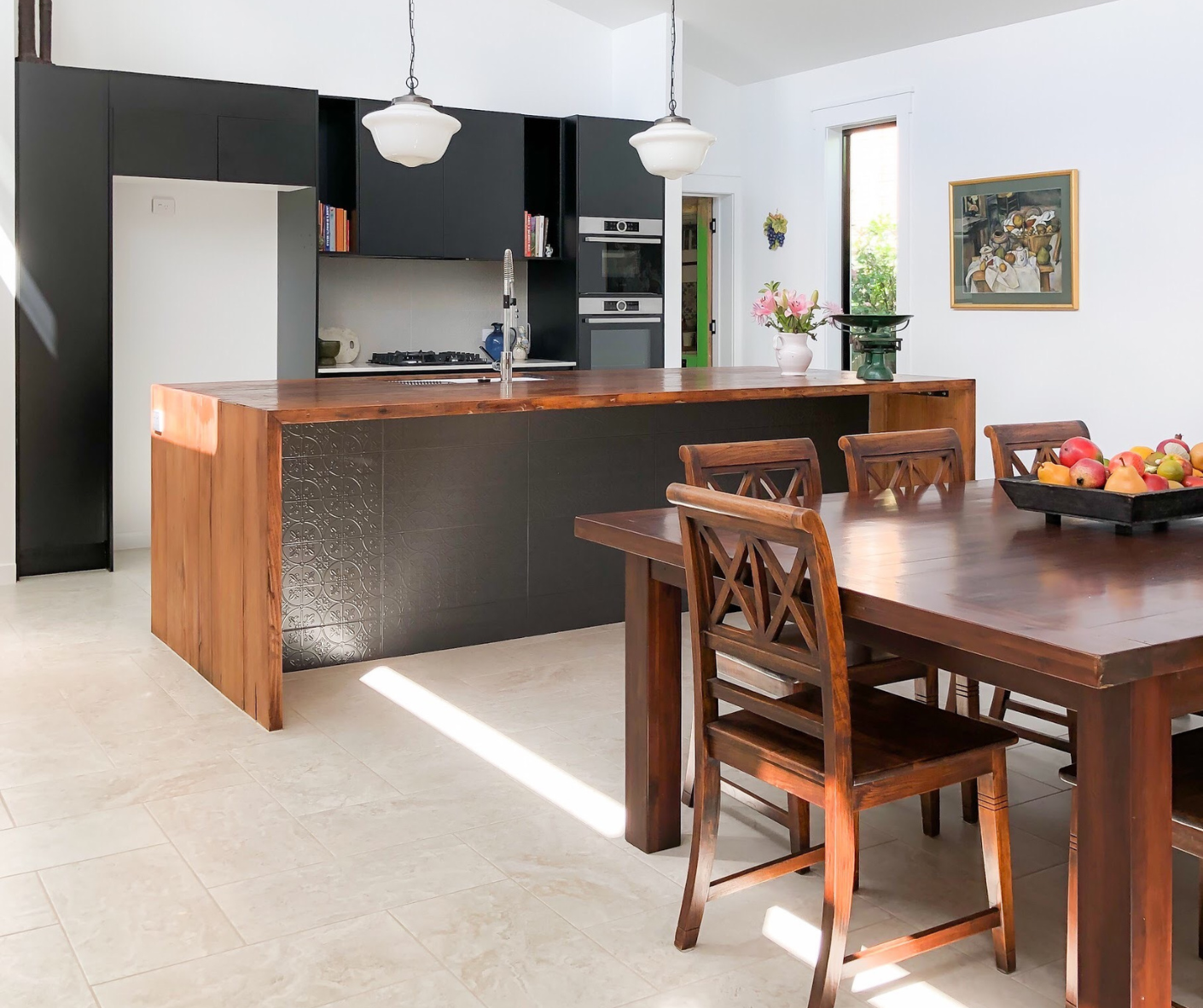
Steps in Building and Designing a Custom Home
Every custom home is a little different, but most projects follow a similar path. Knowing the usual sequence of the steps in building and designing a custom home makes it easier to plan well and keep the project on track.
1. Define Your Vision and Create a Design Brief
Start by working out how you want the home to live, not just how you want it to look. Think about family needs, daily routines, plans, and the spaces that will matter most.
Separate the must-haves from the nice-to-haves early. It also helps to decide whether you are building on vacant land or planning a knockdown rebuild, as that choice shapes the project from the start.
2. Set Your Budget and Finance Plan
A custom home budget should cover more than construction alone. You also need to think about land, design, approvals, site works, finishes, and any extra costs that may come up along the way.
It is smart to allow a contingency for unexpected changes. You should also understand how finance works during the project, including staged payments and when funds need to be available.
3. Choose the Right Block or Assess Your Site
The block plays a big role in what you can build and how much it may cost. Shape, slope, orientation, and location can all affect the design, layout, and overall practicality of the home.
Site access, soil conditions, council controls, and overlays also matter. A good block should support the way you want to live while still making sense from a building point of view.
4. Choose Your Builder, Architect or Design Team
An architect usually focuses on highly customised design, while a building designer may offer a practical design solution with strong attention to layout and function. A custom builder may manage both design and construction, depending on the service they offer.
Take time to review experience, past projects, credentials, and communication style. It also helps to choose a team that understands similar homes, sites, or local conditions, because trust and transparency matter from day one.
5. Begin Concept Design and Preliminary Planning
This stage usually starts with meetings, briefing sessions, and early design ideas. Floor plans begin to take shape as your team works through layout options, room sizes, and how the home will sit on the site.
It is also where good planning starts to pay off. Early concepts help spot issues with budget, site limits, or design choices before the detailed documentation begins.
6. Finalise Plans, Documentation and Approvals
Once the concept is settled, the project moves into detailed documentation. This includes working drawings, engineering, energy reports, and specifications that show exactly how the home is intended to be built.
This stage also covers permits, approvals, and contract preparation. It is a critical step because construction cannot begin properly until the required documents and approvals are in place.
7. Select Materials, Finishes and Inclusions
Now the project starts to feel more personal. You will choose colours, fixtures, fittings, appliances, surfaces, and other selections that shape how the home looks and functions.
These choices can affect cost, lead times, and the overall style of the build. Making decisions early helps reduce delays and gives you a better chance of balancing appearance, quality, and day-to-day practicality.
8. Start Construction: Site Prep, Slab and Frame
This is the point where the physical build begins. The site is prepared, levels are set, and the foundation work gets underway based on the engineering and site requirements.
After the slab or footing stage, the frame goes up, and the home starts to take shape. It is often the first time homeowners can clearly see the design becoming a real structure on site.
9. Move Through Lock-up, Fit-out, and Final Finishes
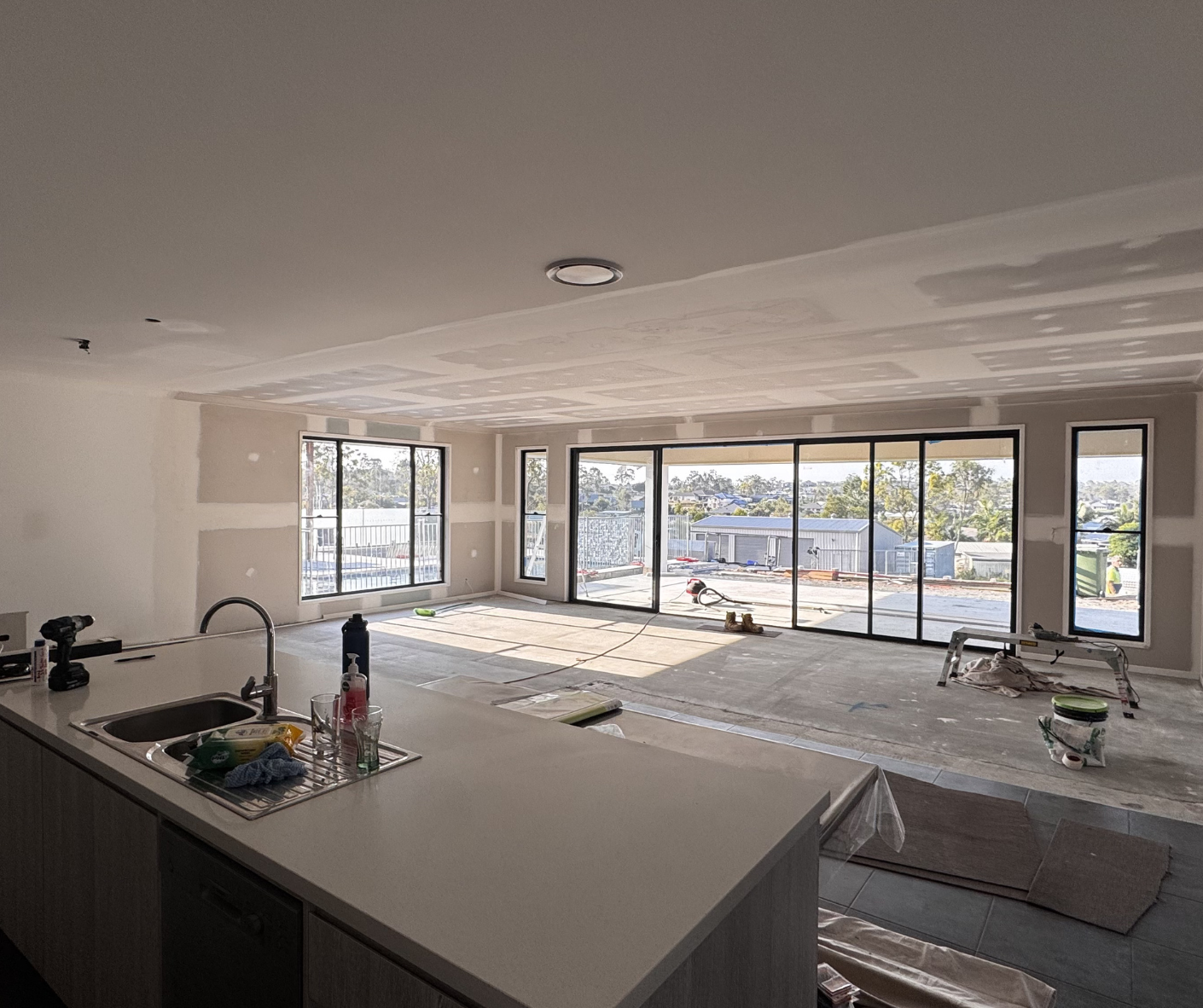
Lock-up means the home is enclosed with major external elements in place, such as the roof, windows, and doors. From there, internal work begins to move quickly through plumbing, electrical, plastering, and other essential trades.
The fit-out stage includes cabinetry, tiling, painting, flooring, and final finishes. As the project nears practical completion, it is important to review workmanship carefully and check that details have been completed properly.
10. Complete the Final Inspection, Handover, and Move In
The final walkthrough is your chance to inspect the completed home before handover. This is when defects, incomplete items, and final touch-ups should be identified and recorded.
You should also receive manuals, warranties, certificates, and handover documents. Once everything has been checked and signed off, you can move in and start enjoying the home. After months of decisions, approvals, selections, and site visits, that first night in your new home tends to feel pretty special.
Common Challenges Homeowners Face During the Process
Even well-run projects hit bumps. The goal is not to expect perfection. It is to understand what can go wrong so you can manage it early.
Budget Changes and Unexpected Costs
Custom homes can shift in price for all sorts of reasons. Site complexity, upgraded finishes, design changes, structural requirements, and delays can all push costs up.
This is why realistic allowances and contingency planning matter. A budget that only works if absolutely nothing changes is not a budget. It is wishful thinking in spreadsheet form.
Approval and Documentation Delays
Delays often happen before construction starts. Missing information, plan changes, consultant bottlenecks, and council or certifier timeframes can all slow things down.
Because approvals sit between design and construction, even small delays here can have a knock-on effect on scheduling, contracts, and finance timing. A clear approvals plan, prepared by your builder or designer, is one of the simplest ways to keep the project moving lawfully and safely.
Communication Gaps During the Project
Good intentions do not always prevent project issues. Unclear communication is one of the most common causes of confusion and rework.
If people make assumptions, fail to confirm decisions in writing, or expect different things, the schedule can slip quickly. Clear updates, meeting notes, and written sign-offs help keep everyone aligned and reduce avoidable disputes.
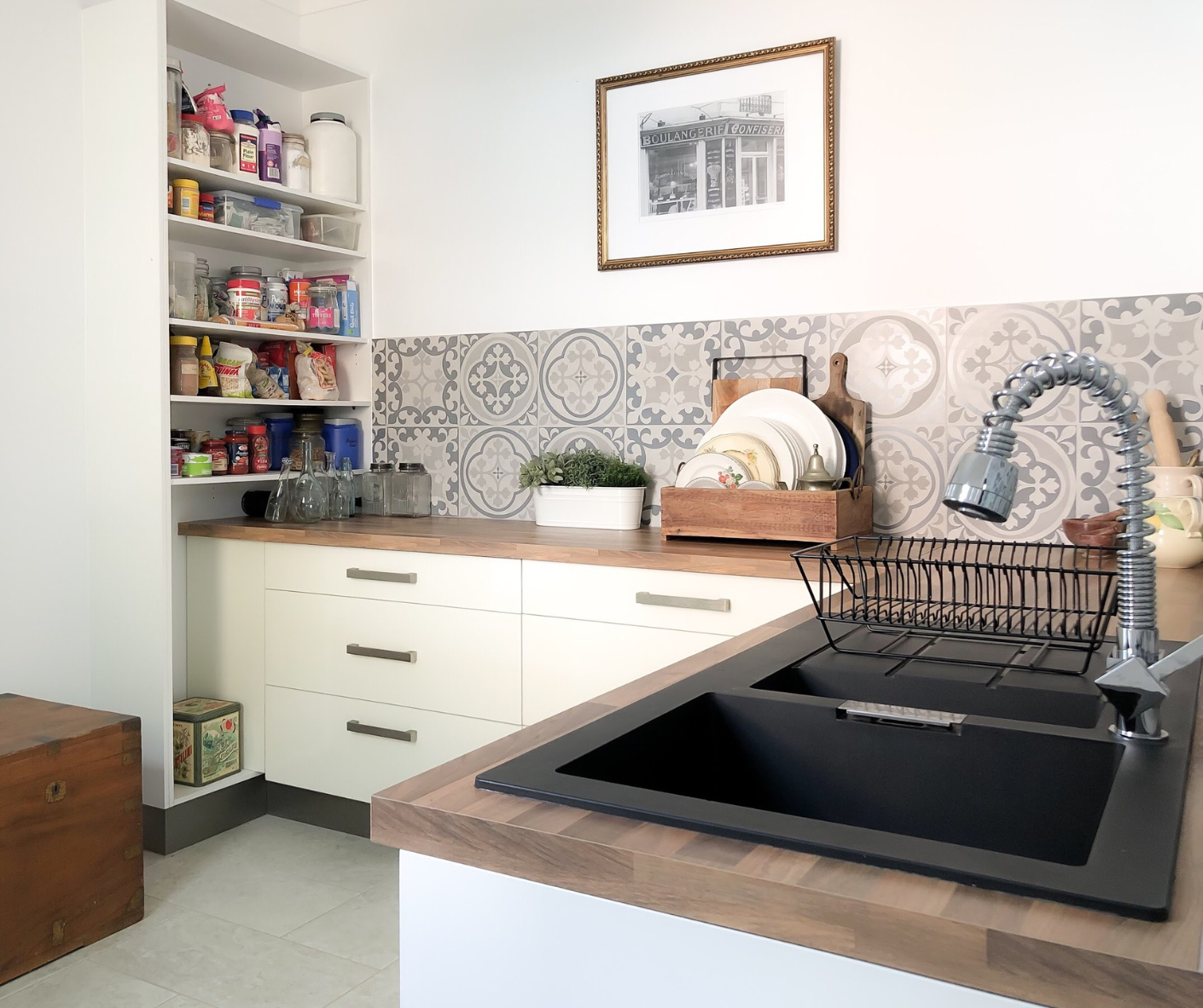
Tips for Making the Custom Home Journey Smoother
Building a custom home runs more smoothly when you stay organised, make decisions early, and work with the right team. These simple tips can help you avoid unnecessary stress, keep the project moving, and make better choices from start to finish.
Start With a Realistic Brief
A realistic brief gives the project a stronger foundation. It helps your team design to your actual budget, site, and needs instead of chasing ideas that may not stack up.
Prioritise Functionality as well as Style
A home should look good, but it also needs to work well on a Tuesday morning. Storage, circulation, sunlight, privacy, and room placement matter just as much as finishes and façades.
Make Selections Early Where Possible
Early selections reduce guesswork. They also help with pricing, documentation, ordering, and keeping the build moving when the schedule tightens.
Work With Experienced Professionals
Choose people who know how to guide custom projects, not just sell them. Experience with similar sites, budgets, and home types can make a real difference when issues need solving.
Ask Questions at Every Stage
Ask what is included. Ask what is excluded. Ask what could affect timing. Ask what decisions are needed next. Good questions are cheaper than avoidable mistakes.
Alps Constructions helps Brisbane homeowners with renovations, additions and extensions, and custom new homes, and building and designing a custom home is far more manageable when the work is broken into clear stages. Once you understand the steps from budget and planning through to construction and handover, it becomes easier to make confident decisions and avoid the most common setbacks.
Getting the right advice early is one of the most useful things a homeowner can do. A trusted builder or design team can help you plan properly, work through approvals, and move forward with a realistic view of cost and timing.
Get in touch today and let us guide you through the
steps involved in designing and building a custom home that fits your vision and budget.
Key Takeaways
- Building a custom home involves more than the build itself. The full process covers planning, budgeting, design decisions, approvals, construction, and handover.
- Early choices about your budget, your land, and your builder shape the entire project. Each one influences cost, timing, and design flexibility down the line.
- Most custom homes follow a similar 10-stage path, from defining the brief through to final inspection and move-in. Knowing the sequence makes the project easier to track and manage.
- Approvals and documentation sit between design and construction, and delays here have a knock-on effect on every later stage. A clear approvals plan is one of the simplest ways to protect the schedule.
- Realistic budgeting, clear written communication, and early selections are the three habits that most reliably keep a custom home build on track.
- The right builder or design team is the single biggest decision a homeowner makes. Look for experience with similar sites, transparent pricing, and a process you can actually follow.
FAQs
What is the first step in designing and building a custom home?
The first of the steps in building and designing a custom home is defining your goals, budget, and lifestyle needs. That information forms the design brief and gives the whole project direction from day one. A good brief covers how you want the home to live, not just how you want it to look, and separates must-haves from nice-to-haves. Without that clarity, designers and builders are guessing at what you actually want.
Should I buy land before choosing a builder?
Not always. Speaking with a builder or design professional early can help you assess slope, access, orientation, and likely build costs before you commit to a block. A block that looks great on a listing can carry hidden costs in site works, retaining, or services that change the financial picture significantly. An experienced builder will often spot those issues quickly. If you have not yet bought, it can be worth taking a shortlist of blocks through this kind of early review.
How long does it take to design and build a custom home?
Timeframes vary widely. Many custom homes take several months to design and approve, then several more months to construct. Site complexity, consultant input, council and certifier approvals, selections, weather, and supply chain timing can all influence the schedule. Most homeowners find that the pre-construction phase takes longer than they expect, so building in patience early is sensible. A builder or designer should be able to give you a realistic indicative timeline for your specific project.
Do I need an architect or a custom home builder?
It depends on the project. Highly customised or complex homes, especially on difficult sites or with strong architectural ambition, may suit an architect-led process. Other homeowners prefer a design-and-build custom builder for a more streamlined approach with fewer parties to coordinate. A building designer can also be a good middle option for clients who want strong functional design without the full architect engagement. The right choice usually comes down to your scope, your budget, and how involved you want to be in decision-making.
What approvals are needed before construction starts?
Most projects need building approval, and many also need planning approval depending on the site and the design. Requirements vary by state, council, and overlay, and some sites may also need plumbing, energy, or other related approvals. A custom home in a character or heritage area, on a flood-affected site, or on a steep block can have additional approval steps. Your builder or designer should map this pathway out early so you understand what is needed before any drawings are paid for in detail.
How much contingency should I allow in my budget?
A 10 percent contingency is a common starting point for custom home projects, with 15 to 20 percent often suggested for more complex builds. The right number depends on the site, the design, and how much certainty there is around the scope at the time the budget is set. Older or unusual sites tend to need more. A builder who recommends a healthy contingency is being honest with you, not pessimistic.
Can I make changes after the build has started?
Yes, but changes during construction can increase costs, trigger written variations, and slow the project down. It is much better to finalise key decisions before the build begins, especially for structure, layout, and major selections. Late changes also create a higher risk of rework and clash between trades. Where a change does need to happen mid-build, get it documented in writing before the work is carried out.
What happens during the slab, frame, and lock-up stages?
The slab or footing stage covers the foundation work, set out and laid based on the engineering and site requirements. The frame stage forms the main structural skeleton of the home and is usually the first time the design feels real on site. Lock-up follows once the roof, external doors, and windows are in place, so the home can be secured and internal work can move ahead. Each of these stages should be inspected and signed off before the next one begins.
Should I arrange an independent building inspection?
Many homeowners do, especially at key stages or before handover. An independent inspector can give you an unbiased view of workmanship, compliance, and any defects that need attention. QBCC and other state regulators note that you can engage a private building inspector at cost to check the work on your behalf. The investment is usually small compared to the cost of correcting issues that get missed.
What should I check before handover?
Check finishes, fixtures, fittings, visible defects, and any incomplete items before signing off. Make sure you receive manuals, warranties, certificates, and handover documents for the home and its installed systems. Walk through every room with your builder, test everything that should switch on or open and close, and record any outstanding issues clearly on a defects list. A thorough handover sets the tone for the warranty period and protects you for the long term.