Home Extension Guide: Essential Steps for Building Your Home Extension
You need more space, but you want to stay where you are. Same street, same school run, same local coffee order.
This essential guide to building a home extension walks you through planning, approvals, costs, design, and the build itself. You will know what to do first, what to budget for, and what commonly blows out timelines.
One quick reality check before we start. Rules and approval pathways vary by state and council, so confirm the local requirements early (your builder, designer, or certifier can help).
Why Do Homeowners Extend Instead of Moving?
Extending keeps your location and lets you shape the home around how you live. Moving often costs more than expected once you add stamp duty, agent fees, and the disruption.
Extend vs. Sell and Buy
Weigh up what matters most, your lifestyle, location, and how much control you want over the design. Check your space requirements, school zone, moving costs, and the amount of renovation disruption you can realistically tolerate.
What Do You Want the Extension to Achieve
Get specific about the outcome, not the appearance. More bedrooms, a bigger kitchen, a home office, or better living flow all drive different designs and costs.
Types of Home Extensions You Can Build
These are the most common extension types Aussie homeowners choose when they want more space without moving. The best option depends on your block size, slope, existing roofline, and what you want the new space to do.
Extend Outwards
Rear extensions are popular for open-plan living and indoor-outdoor flow. Side extensions can work on wider blocks, but setbacks and access usually decide the winner.
Extend Upwards
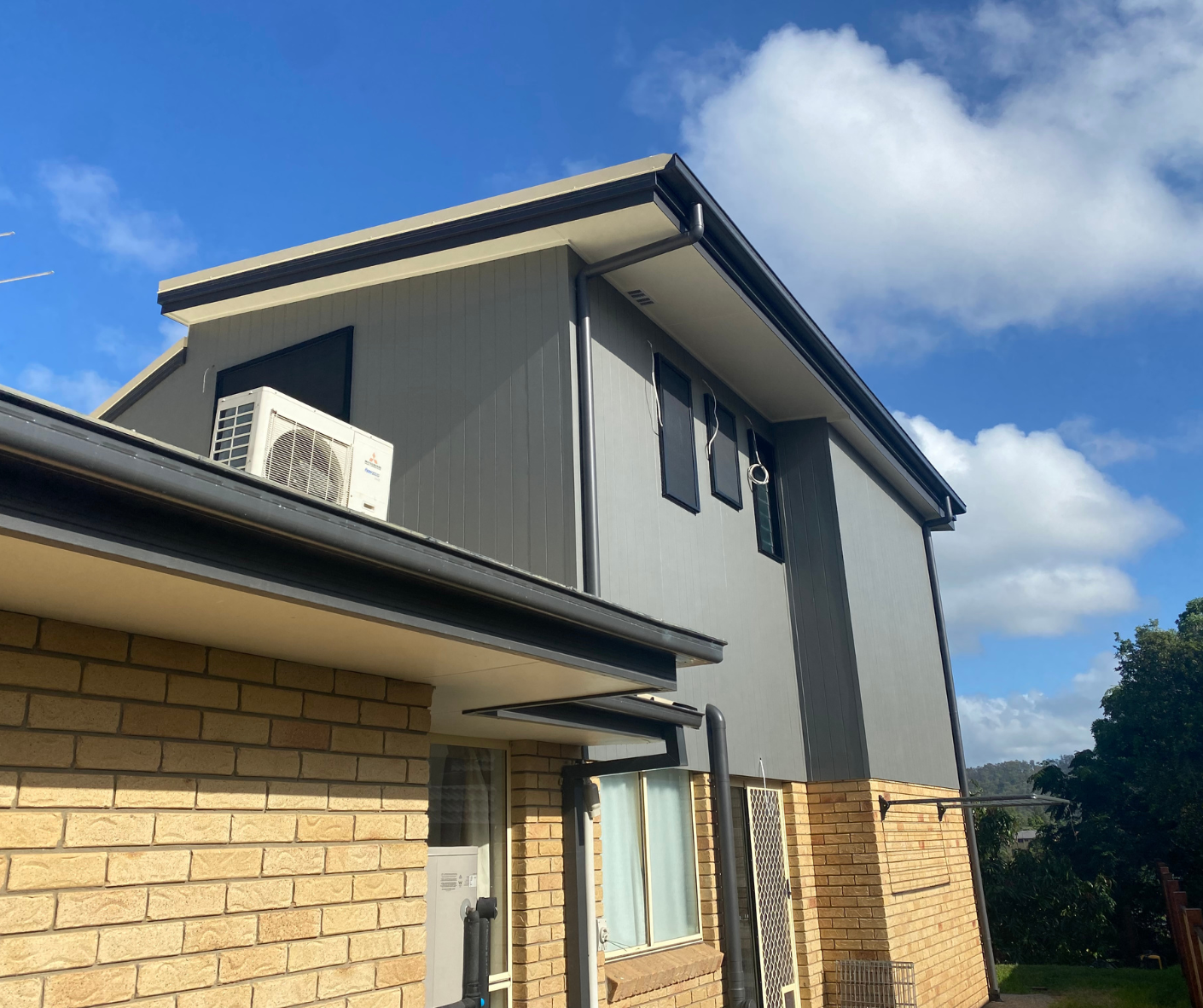
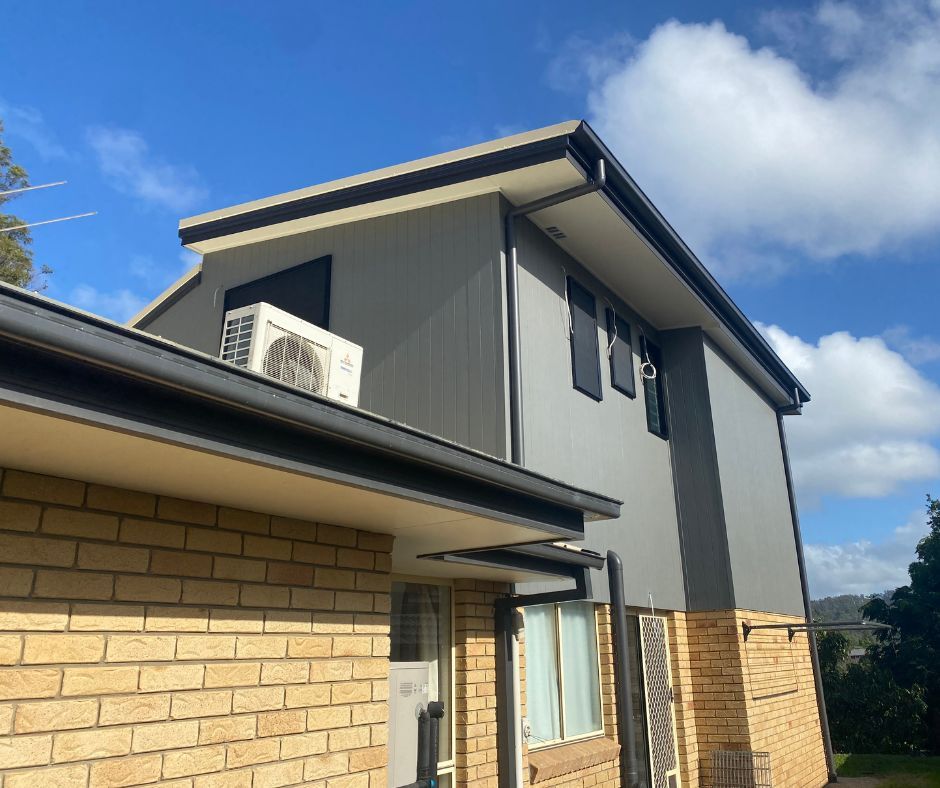
Second-storey additions suit smaller blocks where you would like to maintain the backyard. They often cost more due to structural work, access complexity, and longer build staging.
Attic or Loft Extension Ideas
A loft extension can add a bedroom or office without changing the footprint much. It only works well when you have enough head height, smart stair placement, and good insulation.
Extend Down
Basement-style builds suit steep sites or tight blocks, and a good home extension guide should include this option. Waterproofing, drainage, and excavation access are critical factors here.
Lean-to and Sunroom Style Extensions
These can add a bright living zone faster than a full build, depending on design and approvals. Comfort comes from shading, ventilation, and thermal performance, not just extra glass.
Here are the Steps:
These are the core steps that keep an extension project clear, calm, and buildable. Follow them in order and you will cut down rework, delays, and budget blowouts.
Step 1: Define Your Goals and Scope
Start by separating must-haves from nice-to-haves, so your home extension has a clear target. List the rooms and how you will use them, then plan storage, light, and future needs.
Step 2: Check Site Constraints and Measurements
Measure boundaries, rooflines, access points, and the existing layout before any design gets locked in. Note where plumbing and electrical services run, because relocations can add cost fast.
Step 3: Consider Neighbours and Access Early
Think through privacy, overlooking, noise, and where the build will physically run on your block. Confirm access for trades, skips, and materials so the site stays workable from day one.
Step 4: Set a Realistic Budget and Contingency
Include design, engineering, approvals, materials, labor, and site works, not just the build quote. Add a contingency, because older homes love to surprise you at the worst time.
Step 5: Understand What Drives Costs and Where to Save
Costs jump with bigger footprints, wet areas, major structural changes, and hard-to-reach sites. You can save by simplifying the structure and finalising selections early, so variations do not pile up.
Step 6: Get Professional Advice and Choose the Right Team
A solid team usually includes a designer, an engineer, and a certifier, plus a builder with relevant experience. Clarify who does what from the start, then compare quotes like-for-like with clear inclusions.
Step 7: Check Approvals, Permits, and Certificates
Confirm what approvals apply before you finalise plans, because council timeframes can slow momentum. Requirements vary by state, and some homes, like heritage properties, may need extra steps.
Step 8: Design the Extension So That Old and New Work Together
Do the layout first, then finish, because flow beats fancy every day of the week. Decide whether you want a seamless match or a deliberate contrast, and make that choice consistent.
Step 9: Obtain Permits and Confirm Build-Ready Documents
Make sure approved plans match what you intend to build, not a rough earlier version. Confirm engineering details and specifications are final, then check lead times for key items.
Step 10: Manage the Build and Communication During Construction
Set a simple rhythm, like weekly check-ins, so decisions stay on track. Record variations in writing with costs and time impacts, and file approvals, selections, and changes.
Step 11: Complete Finishing Touches and Final Inspections
Finish flooring, paint, lighting, fixtures, and joinery, then do a practical completion check. Build a defects list, confirm sign-offs, and store warranties and certificates in one place.
Step 12: Move In and Review How the Space Performs
After a few weeks, check comfort, storage, and how daily flow feels in real life. Tweak the small stuff, like lighting levels or extra storage, so the extension works the way you planned.
Common Mistakes to Avoid
These are the mistakes that blow out budgets and timelines on home extensions, even when you have a solid home extension plan in place. Spot them early and you will save yourself a stack of stress later.
Rushing Approvals
Approval processes take time, and skipping steps can cause costly delays. Always submit applications early and confirm all documentation is complete before proceeding.
Under-Scoping the Budget and Contingency
A low budget feels good on paper, but it falls apart once you add site works, service changes, and finish selections. Build a realistic contingency for surprises and price changes, so you are not making rushed compromises later.
Not Planning Around Neighbours and Site Access
Overlooking privacy, noise, and access can turn a straightforward build into a daily headache. Talk through likely impacts early and confirm access for trades, skips, and materials before work starts.
Choosing a Builder Without Checking Similar Work
A great builder on new homes may still struggle with the quirks of extensions. Check licences and insurance, then ask for recent extension examples that match your scope and home style.
Guide to Building a Home Extension with Alps Constructions
A successful extension comes down to clear goals, a realistic budget, early approvals, and a team that knows the job. Strong project management and tidy communication keep the build calmer, cleaner, and far more predictable.
If you want straight answers before you start, talk to Alps Constructions. We deliver additions & extensions, custom new homes, and accolade weather screens, with the experience to keep your project moving.
Book a consultation with our team today and get a clear home extension guide for your site, budget, and timeline.
Key Takeaways
A good plan for your home extension starts with clear goals, not floor plans, because your priorities should drive every design choice. Approval paths can take time, so start early and keep your documents organised to avoid delays. Costs will vary most by scope, structural changes, and finish selections, so price decisions before construction begins. Design should resolve how the old and new connect on purpose, so the home looks and feels cohesive. The right team reduces risk and stress because experienced pros spot issues early and keep the build moving.
FAQs
1. What is the first step when planning a home extension?
- Start by listing your space needs, budget range, and must-have features as part of your essential guide to building home extension planning. This helps your designer create plans that suit your lifestyle and site.
2. How long does a typical home extension take from start to finish?
- Timeframes vary based on approvals, design complexity, and build size. Many projects take months rather than weeks once you include planning and documentation.
3. Do I need council approval for a home extension in Brisbane?
- Some extensions need council development approval, while others may follow a different pathway. Check with your local council or a building certifier early so you don’t get yourself into trouble.
4. What documents are usually needed for approvals?
- You may need plans, engineering details, and site information such as setbacks and drainage. Your designer or builder can guide what is required in your area.
5. What factors affect the cost of a home extension the most?
- Size, structural changes, wet areas, and finish levels often have the biggest impact. Access limitations and matching existing materials can also add cost.
6. Can I live at home during the extension build?
- Sometimes you can, but it depends on the scope, safety, and whether essential rooms are affected. Your builder can advise on staging, access, and how to reduce disruption.
7. Is it cheaper to extend outwards or add a second storey?
- Extending outwards can be simpler if you have enough land and fewer structural changes. A second storey can be more complex due to engineering and access, but it may suit smaller blocks.
8. How do I choose a builder for my home extension?
- Look for licences, insurance, strong references, and experience with similar extensions. Ask for an itemised quote so you can compare inclusions and allowances properly.
9. How do I make the old house and new extension look cohesive?
- Use consistent proportions, rooflines, and key materials where possible. You can still add modern elements, as long as the transition is deliberate.
10. What are the most common mistakes homeowners make with extensions?
- A common mistake is rushing into construction without final plans, approvals, and selections. Another is underestimating contingencies and lead times for materials and trades.