Outdoor House Extension Ideas: 14 Ways to Add Space and Value
If your home feels tight when everyone’s trying to cook, eat, and relax in the same square meter, you’re not alone. Indoor space fills up quickly, especially when entertaining is part of your normal week.
An outdoor house extension can solve the space problem without moving to the suburbs or living through a full internal reshuffle. Done well, it also lifts resale because buyers love usable, comfortable indoor-outdoor living.
Below you’ll find practical options for different budgets, blocks, and family needs, plus a planning checklist so the project stays fun, not feral.
Quick Picker: Choose Your Best Direction First
If you entertain often, prioritise a covered dining zone close to the kitchen for your outdoor house extension. It keeps food and people moving without the long walk of doom.
If you need real space, consider an enclosed room or a double-story rear addition. Open structures are great, but walls and glazing turn outdoor space into everyday living.
If ROI matters most, focus on finish quality and seamless design. Buyers notice when it looks like it always belonged there.
Plan Your Outdoor House Extension Ideas
A smooth build starts with planning, not picking finishes. Use the steps below to lock in your scope, avoid rework, and keep the timeline realistic.
Define the Goal
Pick one main job for the space so the layout stays simple. Then decide how often you will use it in summer, winter, and shoulder seasons.
- Entertaining zone for meals and catch-ups
- Extra room for hobbies, kids, or a quiet corner
- Weatherproof retreat for rainy days and windy nights
Work Out the “Must Haves”
Comfort features are what turn a nice idea into a space you actually use. If you skip the basics now, you will pay twice later.
- Shade and shelter, including rain cover and heat control
- Lighting and power for nights, cooking, and charging
- Privacy and storage so it feels calm and stays tidy
- Screens to cut wind and insects, with Accolade Screens a great option for enclosing outdoor living areas and outdoor kitchens
Check Rules Early
Many rear additions need council approval, so check before you price anything. Zoning, heritage overlays, and setbacks can limit size, height, and placement.
- Ask the council what approvals apply to your address
- Confirm setback rules and any heritage or streetscape controls
Choose the Right Builder
Licensing and recent similar projects matter more than a flashy quote. A clear scope protects your budget and stops surprise extras.
- Check the licence, insurance, and recent outdoor builds you can inspect
- Ask what is included, like design, engineering, permits, and the build
Set a Realistic Timeframe
Most builders quote broad ranges because approvals and site complexity change everything. Use typical ranges as a guide only, then confirm your schedule in writing.
Ideas for Outdoor Home Extensions by Space Type
Match the idea to your block and how you live. Use the list below to compare options fast.
1. Open Plan Living That Connects to The Yard
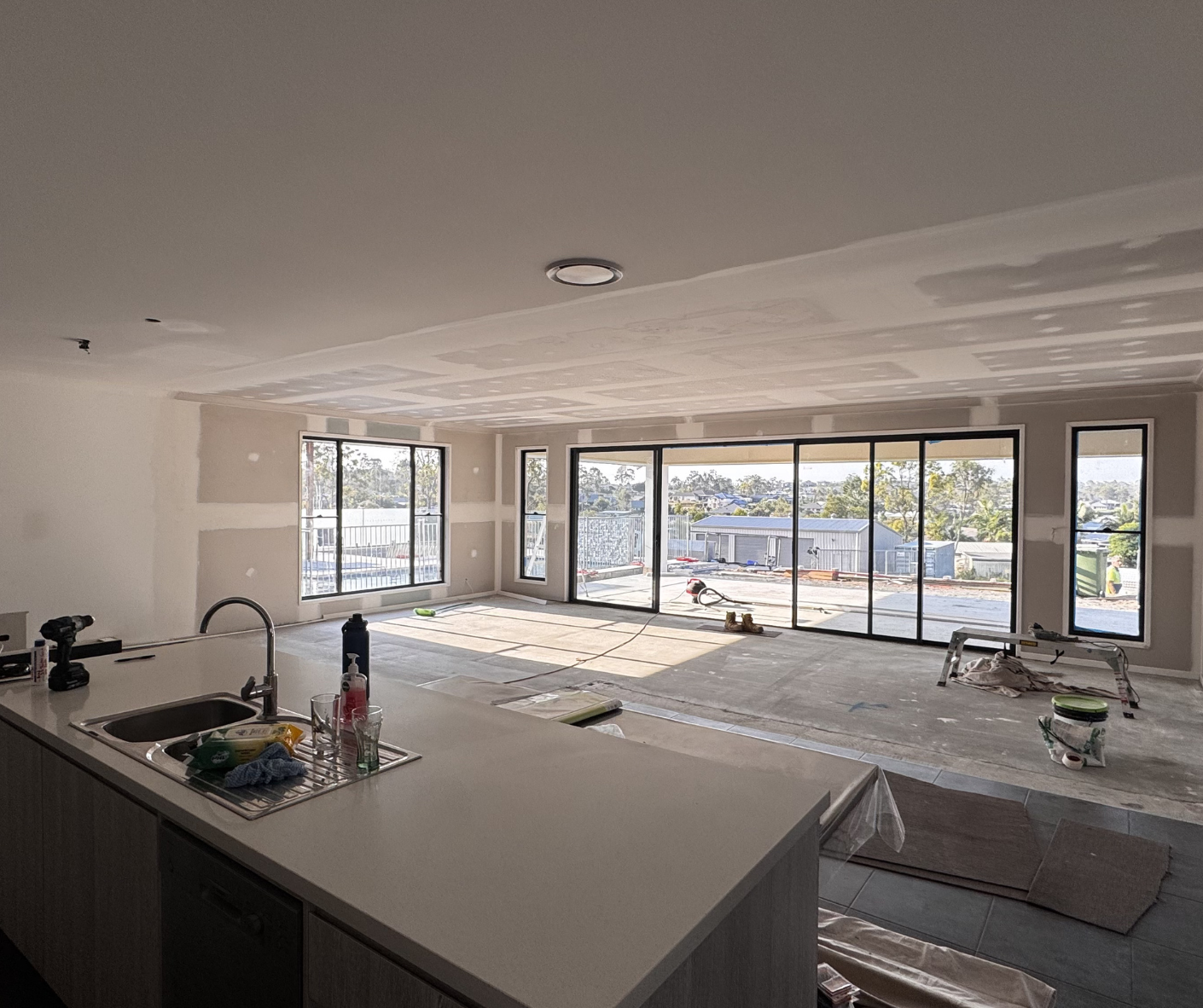
Open up the back wall with big sliders or bi-folds for your outdoor house extension. Add screens and airflow so it feels light, not buggy.
2. Kitchen Extension With Alfresco Dining
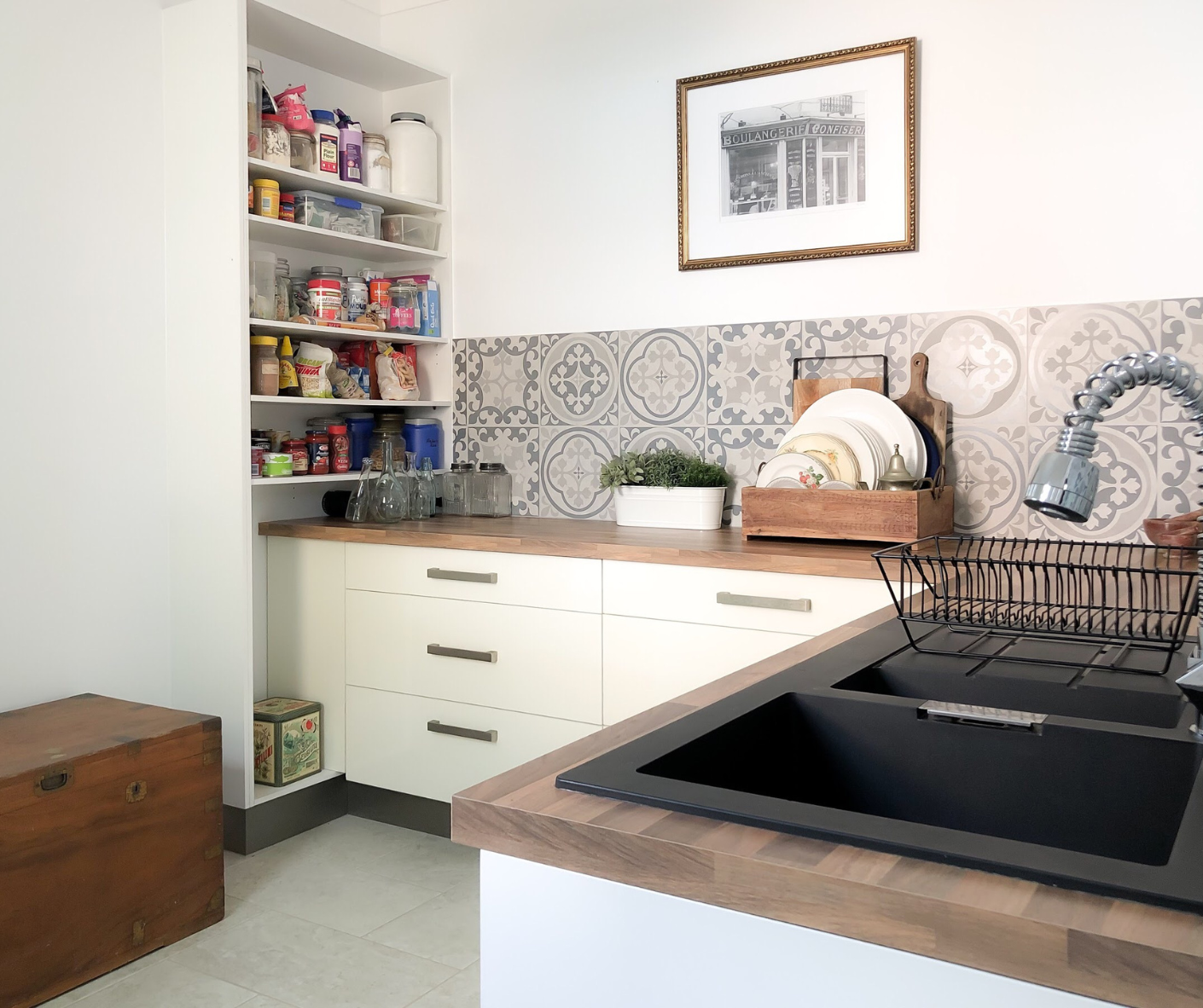
Keep entertaining easy with a servery window and BBQ zone. Choose surfaces that handle weather, heat, and mess.
If you want the area to feel more usable year-round, accolade screens are a smart add on for enclosing the space without making it feel boxed in.
3. Sunroom or Enclosed Patio
Turn outdoor space into a year-round room. Treat it like a real build with insulation and climate-ready glazing.
4. Multi-Purpose Zone for Work and Family Time
Built-in storage and strong daylight so it works every day with your outdoor house. Add doors so work and noise can be switched off.
5. Double-Story Rear Addition
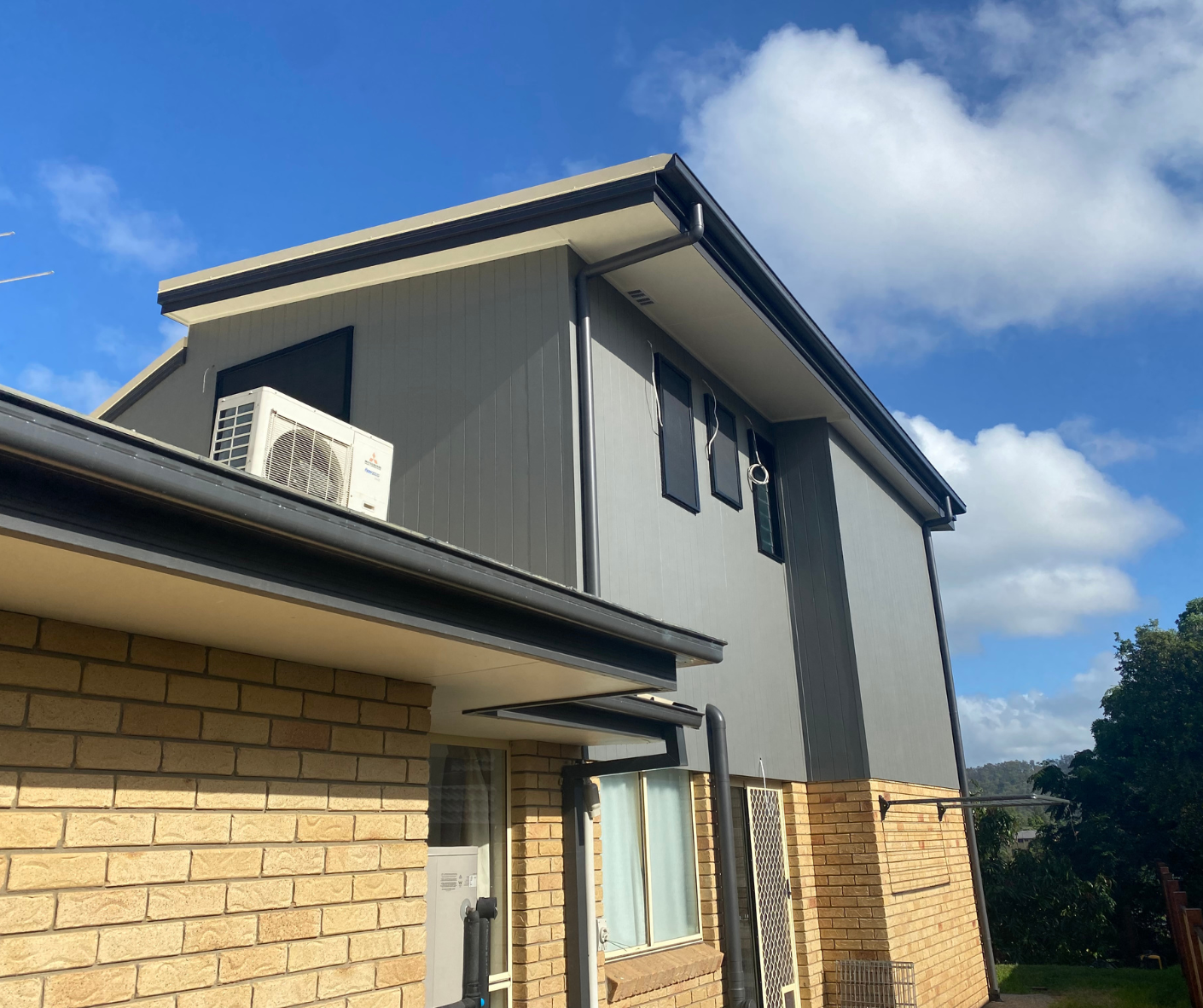
Go up when yard space is tight. Plan structure and approvals early because this one has more moving parts.
6. Bedroom and Ensuite Retreat
Add a private zone that feels calm and premium. Use big doors and garden access to bring in light.
7. Sustainable Upgrades That Cut Running Costs
Use shading, insulation, and smart glazing to reduce heat load. Add solar or rainwater only if it suits how you live.
8. Green Roof or Vertical Garden
Green features look great, but they add weight and moisture risk. Get engineering advice and plan irrigation from day one.
9. Small Footprint Upgrades for Compact Homes
Small changes can still shift daily function. Use built-ins to gain seating, storage, and better flow.
10. Statement Feature at the Rear
Create a wow moment with a bold roofline or skylight strip. Keep it aligned with the home’s style so it looks intentional.
11. Pool House Style Zone
Use it for change-room storage and wet-gear control. Design it to flex as a gym, hobby room, or teen zone.
12. Pergola or Louvre Roof Cover
Get shade control without fully enclosing the space. Check approvals early because roofed structures can trigger extra rules.
13. Decking for Level Changes and Flow
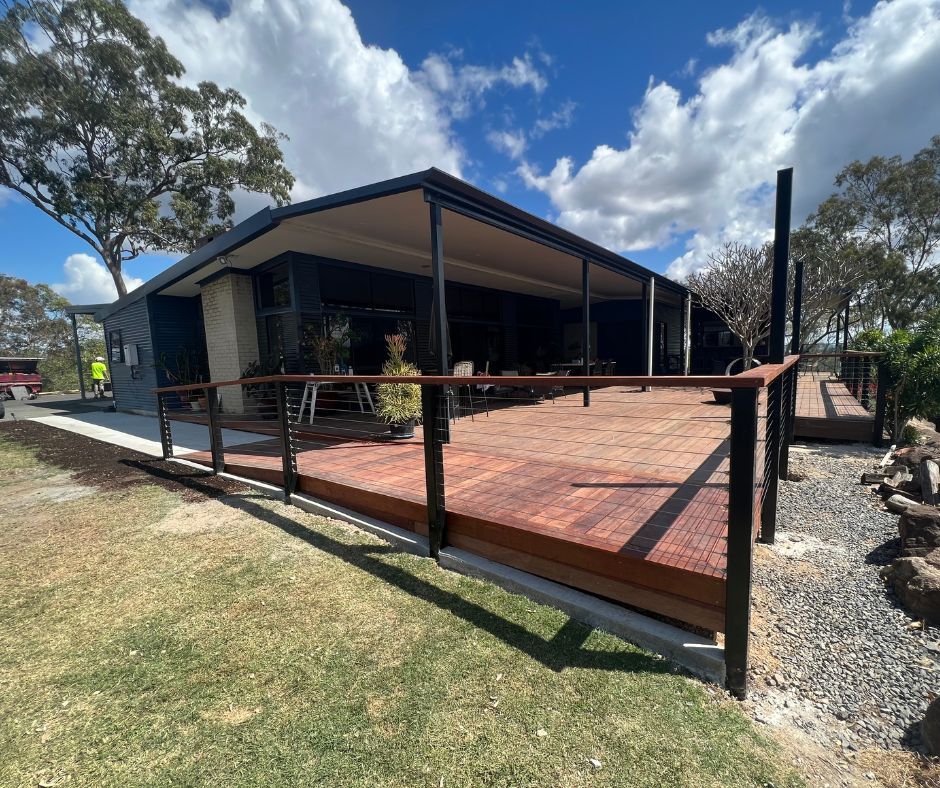
Decking helps solve slopes and define zones. Build it properly, especially where it connects back to the house.
14. Patio Cover for Reliable Shelter
A solid cover keeps the space usable in unpredictable weather. Plan drainage and wind ratings so it performs long-term.
Make It Add Value and Feel “Part of the Home.”
A great outdoor extension should look like it belonged there from day one. If it feels tacked on, buyers notice and you will too.
Keep the Design Consistent
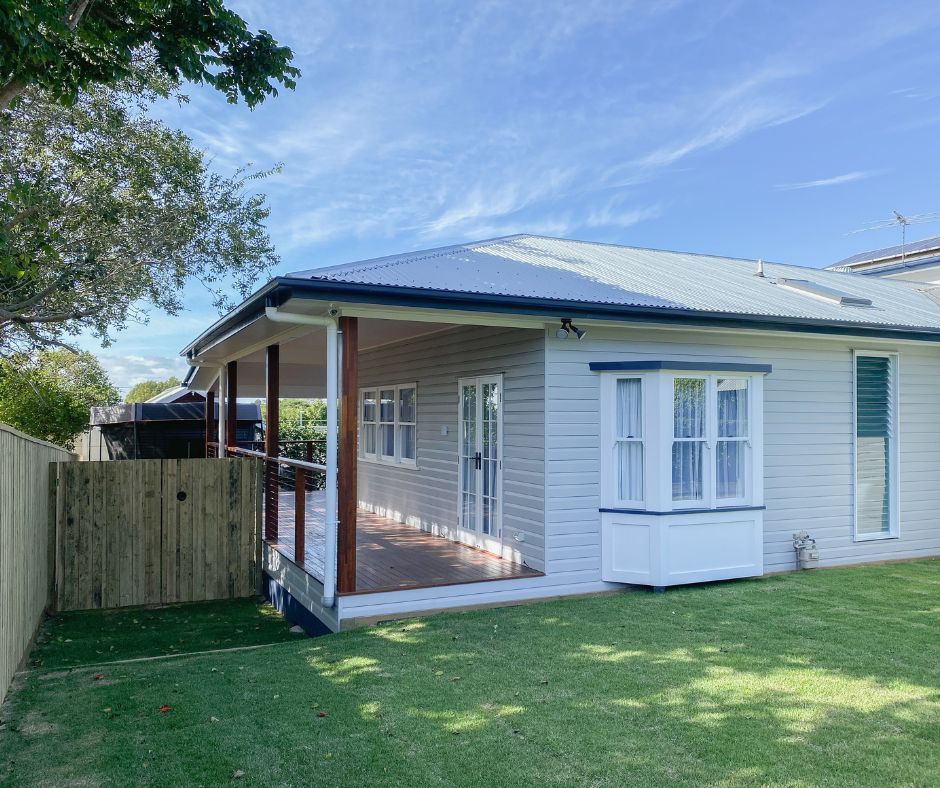
Match rooflines, colours, and materials so the extension reads as one home, not an add-on. Repeat key details like cladding, trims, and window styles to keep everything cohesive.
Prioritise Quality Materials
Choose finishes that handle sun, rain, salt air, and heavy foot traffic without constant repairs. Use professional installation and compliant systems so the space performs properly and passes inspections.
Improve Comfort and Usability
Layer your lighting with task, ambient, and feature options so the area works for cooking, dining, and relaxing. Add privacy with screens, planting, or fencing so it feels comfortable at any time of day.
Add Flexible Features Buyers Like
Build in storage so outdoor gear and cushions have a home and the space stays tidy. Plan a multi use layout with easy indoor outdoor circulation so it suits families now and appeals to buyers later.
Costs: What Actually Drives the Budget
Outdoor extension budgets swing because the scope can change fast. The trick is knowing what moves the needle before you lock in a design and choose the right outdoor house extension ideas for your block and budget.
Size and Level of Enclosure
Bigger footprints cost more because there is more structure, roofing, and finishing to supply and install. Fully enclosed rooms also add cost through insulation, glazing, and weather sealing.
Foundations and Structure
Your footing type depends on soil, slope, and the load of the new build. Heavier structures need stronger framing and compliant connections to the existing home.
Doors and Glazing
Large sliders, stackers, and feature glazing can take a big bite out of the budget. Costs rise again if you need upgraded glass for energy performance, noise control, or safety compliance.
Services: Plumbing, Electrical, Gas
Running services are cheaper when they are close to existing points and easy to access. It gets pricier when you add outdoor kitchens, hot water, gas lines, or new circuits for lighting and power.
Site Access and Excavation
Tight access often means more manual work, smaller machines, and longer labour time. Excavation and spoil removal can add up quickly if the block is sloped, rocky, or waterlogged.
Finishes and Landscaping Integration
Finishes set the look and feel, but they also affect longevity and maintenance costs. Landscaping, drainage, and paths should tie in cleanly or the project can look unfinished even after the build is done.
Talk to Alps Constructions About Your Outdoor Extension Plan
The best option is the one that suits how you actually live, not what looks good on a mood board. Start with your daily habits, then choose the outdoor extension ideas that make those routines easier and more enjoyable.
Your next step is simple. Book a site check, get a rough budget, and have a quick chat about approvals so you know what is realistic before you commit to plans.
Alps Constructions can help with additions & extensions, custom new homes, and renovations, with clear advice from the first walkthrough to the final finish.
Key Takeaways
Start with how you want to use the space, then sort approvals and timelines early. The best ideas for outdoor home extensions come from strong indoor-outdoor flow, with smart doors and a layout that makes moving between zones easy.
For resale, cohesive design and quality materials do the heavy lifting. Even small upgrades can improve comfort and day-to-day function in a big way.
FAQs
1. Do I need council approval for a rear addition?
- Often yes, if you change the home’s footprint, structure, or roofline. Check with your local council or a private certifier before you design.
2. What is the difference between an alfresco area and an enclosed patio?
- An alfresco area is covered but open to the outside air. An enclosed patio has walls and usually windows or doors for weather protection.
3. How long does a typical build take once approvals are done?
- A simple outdoor upgrade can take about 6 to 12 weeks. A larger enclosed addition can take 3 to 6 months depending on complexity.
4. What adds more resale value: a sunroom, pergola, or deck?
- A well-built sunroom often adds more value because it increases usable living space. A pergola or deck can still lift value if it improves lifestyle and looks integrated.
5. How do I make the space comfortable in winter and summer?
- Use insulation, proper glazing, and good sealing if the space is enclosed. Add shading, airflow, and heating or cooling suited to your climate.
6. What materials hold up best in coastal or high-sun areas?
- Choose corrosion-resistant metals like aluminum and stainless steel, plus quality exterior coatings. Use UV-stable materials and low-maintenance options like composite decking where possible.
7. How can I improve privacy without making it feel closed in?
- Use slatted screens, planting, or partial walls to block sightlines while keeping airflow. Add frosted or tinted glass in targeted spots for light and privacy.
8. Can a small bump out still make a real difference?
- Yes, even a small extension can improve a kitchen, dining space, or circulation. It can also create room for storage, seating, or bigger doors to the yard.
9. What mistakes cause budget blowouts on backyard builds?
- Scope changes during the build are a common cause, especially when finishes are upgraded late. Unknown site conditions and unclear inclusions also push costs up.
10. What should I ask a builder before I sign a contract?
- Ask what is included, what is excluded, and how variations are priced. Confirm licenses, insurance, timelines, permits, and warranty details.