How Much Is a Kitchen Reno in Australia? 2026 Cost Guide
If you are asking, “how much does it cost to renovate a kitchen?” you are in very good company. The kitchen is where big dreams meet hard edges, hot pans, and even hotter quotes.
Here is the honest answer. Kitchen renovation costs can move quickly because the scope often shifts once work begins. A “simple update” can turn into new plumbing, fresh wiring, and a floor that suddenly slopes like a skate ramp.
This guide outlines the cost tiers, without getting into exact numbers, explains what pushes the price up or down, and shows you how to budget wisely without ending up with a kitchen that feels bare.
How Much to Renovate a Kitchen in Australia?
Most people want a straight answer on price, but kitchen renos do not work like a menu. The total can swing depending on what stays, what moves, and how far you take the finishes.
Budget/Cosmetic Refresh (Small Upgrades, Minimal Changes)
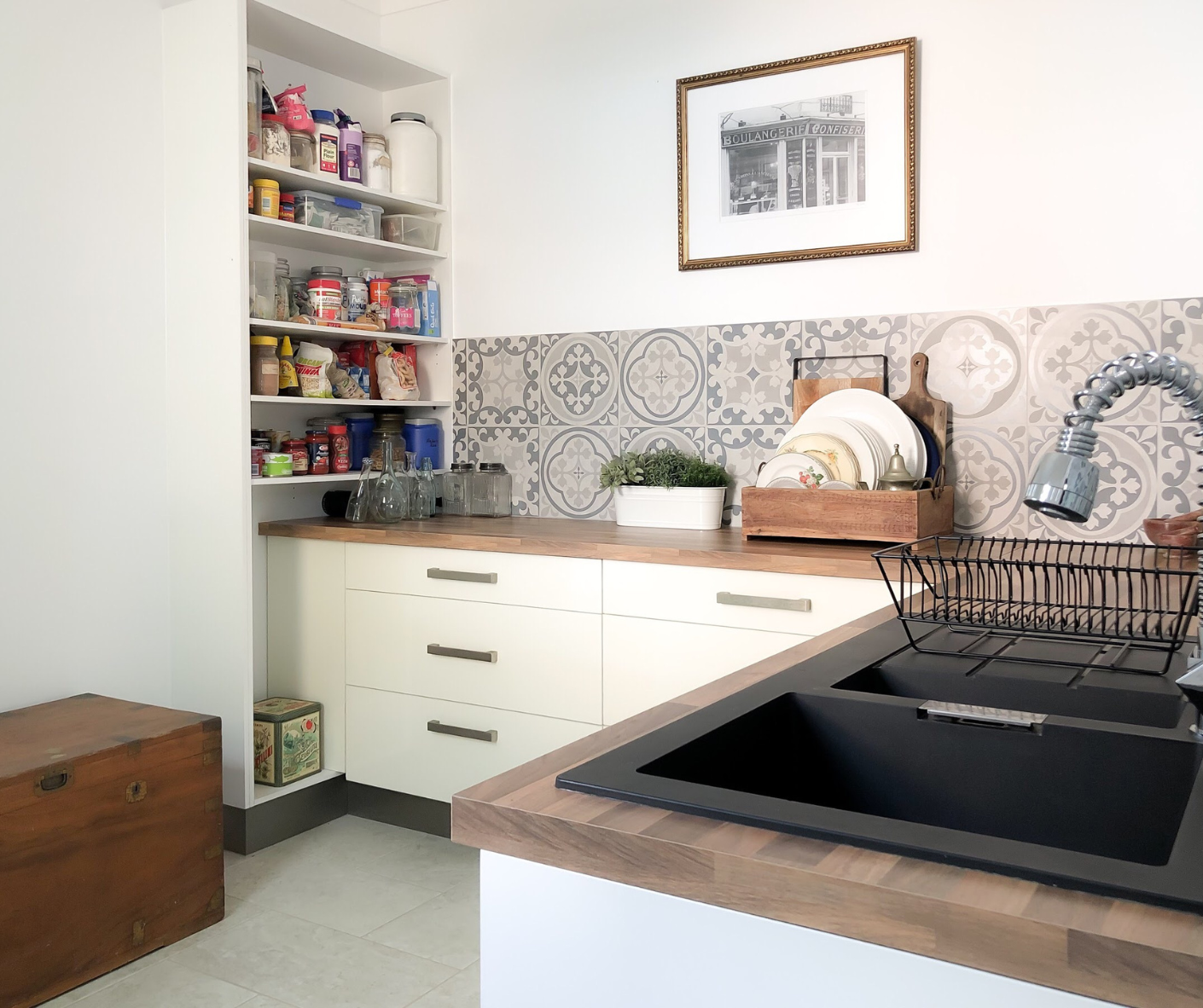
This tier keeps the layout the same and updates the look with paint, new handles, improved lighting, and a fresh splashback. It suits kitchens that work well but look tired, and it avoids major trade work.
Mid-range renovation (Most Common Full-Reno Scope)
This tier replaces most key parts like cabinetry, benchtops, and appliances. You can adjust the layout to improve storage and workflow, without major structural changes.
High-End/Premium Renovation (Custom Finishes, Major Upgrades)
This tier includes custom cabinetry, premium surfaces, and high-spec appliances, with a design that is more tailored and detailed. It can also involve bigger layout changes, which add time and labour.
Two kitchens in the same suburb can cost very differently because one keeps services in place and the other moves them. Changes to plumbing, power, layout, or access can quickly increase the scope.
What You Get at Each Budget Level (so you can self-qualify)
Budget labels are only useful if you know what is actually included. This section helps you match your goals to the right level before you start collecting quotes.
Budget/Cosmetic Kitchen Reno
You keep the layout and services in place, so plumbing and power stay where they are. You focus on refreshing jobs like doors, hardware, paint, and lighting to lift the look.
Best for: improving the kitchen’s style without rebuilding the whole space.
Mid-Range Kitchen Renovation
You replace most of the main components, including cabinetry, benchtops, splashback, and appliances. You can make small layout tweaks for better storage and workflow, but you avoid major structural work.
Best for: functional upgrades that make daily use easier and more efficient.
High-End/Premium Renovation
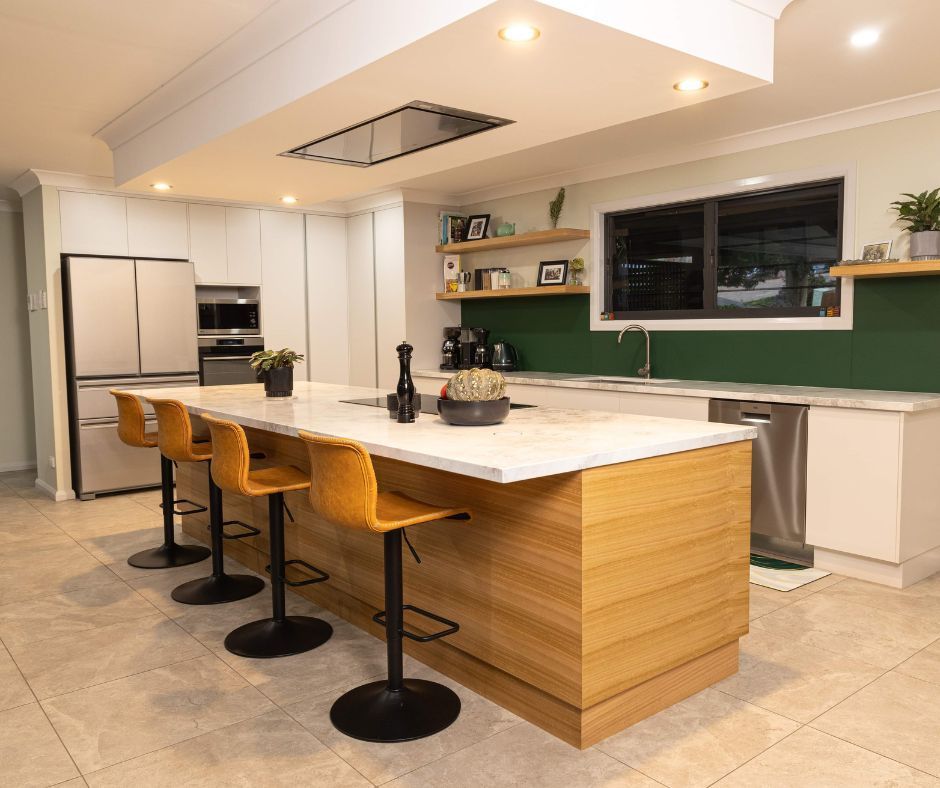
You step up to custom cabinetry, premium surfaces, and integrated appliances with design features that feel tailored. You might also include structural changes and detailed finishing, which adds time and coordination.
Best for: a long-term “forever kitchen” or a high-spec home where finish quality matters.
How Much Is a Kitchen Renovation? The Cost Breakdown
A kitchen quote can look like a shopping list, but the real story is what costs the most and why. Once you know the big-ticket items, you can make choices that improve the kitchen without blowing the plan.
Cabinetry
Cabinetry is often the highest cost because you are paying for the materials, the hardware, and the labour needed to install it properly. Flat-pack is usually the simplest option, while semi-custom and custom lift the finish and flexibility, but add more labour and detail.
Benchtops + Splashback
Your material choice can change the budget quickly because it affects fabrication time, installation effort, and how well it wears over time. Premium surfaces often cost more because they require precise cutting and joins, careful transport, and specialist installation.
Appliances
Appliances can be a steady spend or a budget breaker, depending on size, brand, and whether you want integrated models. Mid-range appliances cover everyday needs, while premium models add more features and can take more planning to fit.
Trades and Labour
Labour can rival materials because you are paying for demo, plumbing, electrical, installation, and finishing across multiple trades. Moving the sink, cooktop, or power points increases cost because it adds extra trade work and more coordination.
The Biggest Factors That Change Kitchen Renovation Cost
Kitchen costs rarely blow out because of one big decision. It is usually a handful of small changes that stack up fast.
Layout Changes
Moving plumbing or electrical points is one of the fastest ways to increase cost. Adding an island or removing a wall can also add structural work and more trade time.
Kitchen Size and Cabinetry Volume
A larger kitchen usually means more cabinetry, more benchtop area, and more labour to install it all. Even in a small kitchen, extra storage features can increase the cabinetry spend.
Finish Level
Doors, handles, surfaces, and appliances can swing the total up or down quickly. Higher-spec finishes often cost more not only to buy, but also to install and detail properly.
Condition of the Existing Space
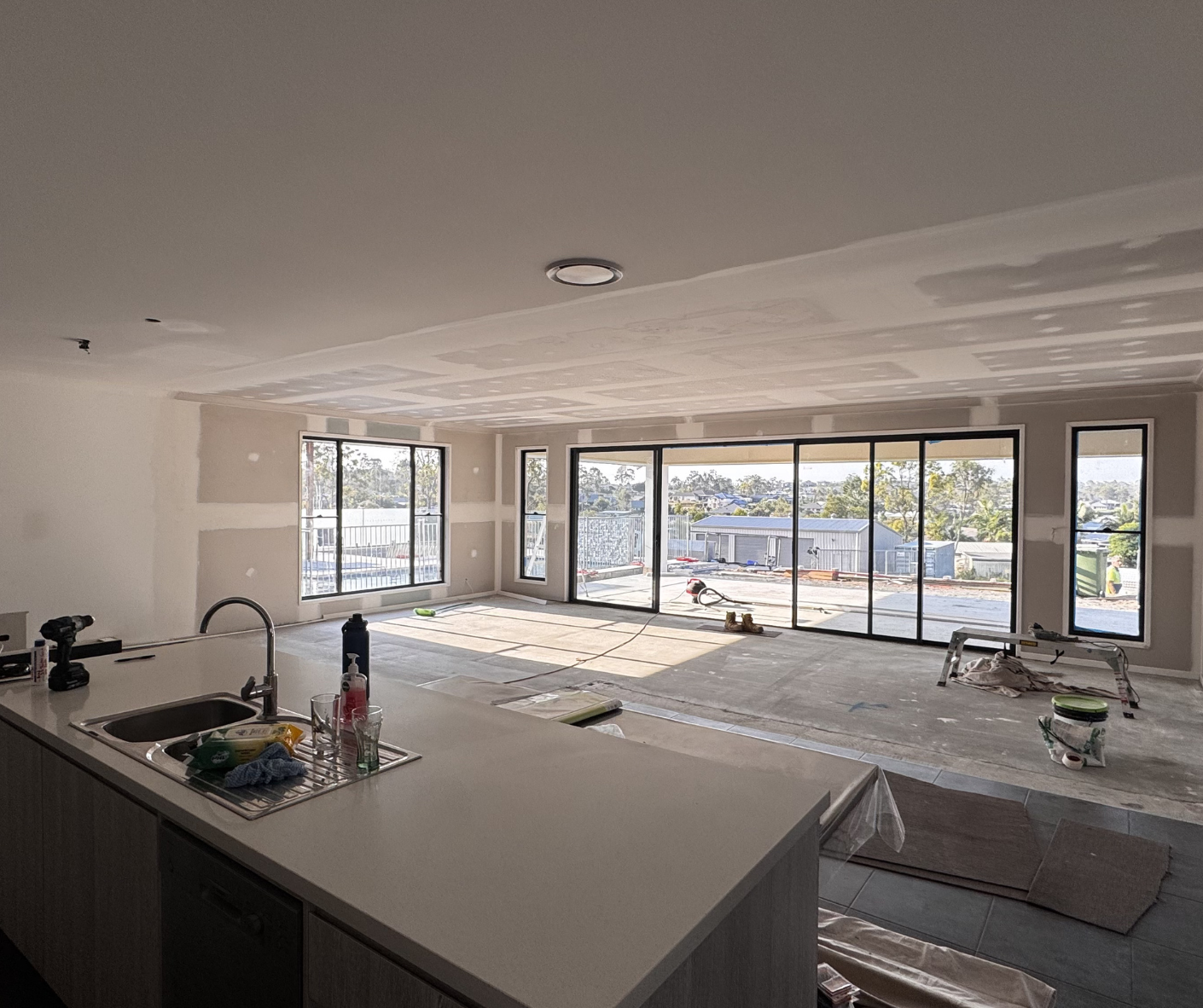
Once the demo starts, hidden issues can appear behind walls and floors. Things like water damage, old wiring, or uneven surfaces can add unplanned work.
Location and Access
Metro areas can cost more due to higher labour rates and tighter scheduling. Poor access, limited parking, stairs, or small work zones can also slow the job and increase labour time.
Project Management Approach
Coordinating trades yourself may save a margin, but it can increase delays if scheduling slips. A builder or full-service team can reduce stress and streamline the sequence, but you are paying for that management.
Hidden Costs Homeowners Forget (and How to Avoid Blowouts)
Kitchen budgets rarely blow out because of one big item. They usually blow out because a few “small” extras show up late and stack up fast.
Approvals/Strata Requirements
You may need approval if you are in a unit, in strata, or changing structure or services. Check early with your strata manager or council so you do not hit delays once trades are booked.
Contingency
Set aside a sensible buffer for surprises, without guessing on the fly. Common culprits include outdated wiring, water damage, levelling issues, and last-minute upgrades that add labour and materials.
Temporary Kitchen/Living Disruption
Renovations come with life costs, like eating out more often and losing your usual routine. Set up a simple temporary kitchen zone early so you can manage meals without chaos.
How to Save Money Without Making it Look Cheap
Saving money in a kitchen reno is not about cutting corners. It is about spending on the parts you touch every day and calming down everywhere else.
Keep Plumbing and Electrics in Place
Keeping services where they are is one of the easiest ways to control costs. Moving sinks, cooktops, and power points adds extra trade work and time.
Splurge vs Save (Smart Priorities)
Spend more on quality cabinetry, durable benchtops, and solid hardware because they handle daily use and hold up better over time. Save on lighting choices, splashback selections, and styling finishes, as long as they still suit the overall look.
Refresh vs Replace
A refresh works well when the layout functions and the cabinetry carcasses are in good condition. Replace it when storage is lacking, damage is obvious, or the layout no longer suits how you live.
How Long Does a Kitchen Renovation Take?
A kitchen reno rarely runs on the exact dates you imagined on day one. The timeline depends on your decisions, lead times, and the size of the job.
Most projects move through clear phases. You start with planning and design, then place orders for cabinetry, appliances, and finishes. Next is demolition, then plumbing and electrical rough-in, then installation, and finally finishing, like the splashback, paint, and fit-off.
Delays usually come from three places. Custom lead times can stretch out ordering, approvals can slow the start, and trade availability can shift the sequence. Variations also cause delays, especially when changes happen after materials are ordered or walls are already open.
How to Get an Accurate Quote (and compare apples with apples)
Before you request quotes, get your info together so everyone prices the same job. Take clear photos, note rough measurements, and list your must-haves and nice-to-haves. Share your preferred layout, storage goals, and what you plan to do with appliances and finishes.
When quotes come back, compare the scope, not just the total. Ask for an itemised breakdown and confirm what is included and excluded. Check warranties, licences, insurance, and the timeline, including lead times for key items.
Is a Kitchen Reno Worth it for Homeowners?
A kitchen reno is worth it when it makes daily life easier. Better storage, smarter layout, and more usable bench space can improve cooking and entertaining straight away.
It can also support
resale, but only if the spend suits the value of your home and your area. The safest approach is to choose upgrades you will enjoy now, while keeping choices realistic for future buyers.
Plan Your Kitchen Reno With Confidence - Alps Constructions Can Help
So, how much is a kitchen reno you ask?
Kitchen renovation costs can vary, but you can stay in control with a clear plan. Lock in what stays and what changes, then choose finishes with purpose.
Ask for itemised quotes and compare inclusions, not just the total. Keep a sensible buffer for surprises, especially in older homes.
If you want straightforward advice and a tidy process, speak with Alps Constructions. We handle home renovations, additions and extensions, and custom new homes, so you can plan your kitchen with confidence and build it properly.
Contact us today.
Key Takeaways
- Your final kitchen renovation cost depends on scope, layout changes, finishes, and your location.
- Cabinetry and labour are usually the biggest cost drivers.
- Keeping the same layout and services often helps keep spending under control.
- A sensible contingency buffer helps cover surprises and reduces stress.
FAQS
1. What is the cheapest way to renovate a kitchen?
- The cheapest approach is usually a cosmetic update where you keep the existing layout. Small changes like hardware, paint, and lighting can lift the look without major trade work.
2. What increases kitchen renovation cost the most?
- Moving plumbing, electrical, or gas points usually increases costs because it adds trade work and complexity. Structural changes can also push costs up quickly.
3. Is it cheaper to keep the same kitchen layout?
- Yes, keeping the same layout is often cheaper because services can stay in place. This also reduces labour and lowers the risk of unexpected work.
4. Do cabinets make a big difference to the total cost?
- Yes, cabinetry is often one of the biggest cost drivers in a kitchen renovation. The material, hardware quality, and whether it is custom-made all affect the final price.
5. Do I need approval for a kitchen renovation?
- It depends on what you are changing and what rules apply to your property. If you are altering the structure or moving services, it is smart to check the requirements early.
6. How long does a kitchen renovation usually take?
- Timelines vary depending on design decisions, product lead times, and trade availability. A clear plan and early ordering can reduce delays.
7. Should I replace appliances during a kitchen renovation?
- Replacing appliances can make sense if the existing ones are old or do not suit your new layout. Keeping appliances can save money, but you should confirm they will fit and work with the updated design.
8. Can I renovate a kitchen in stages to save money?
- Yes, staging can help spread costs over time and reduce pressure on your budget. You just need a clear plan so later changes do not undo earlier work.
9. What should be included in a kitchen renovation quote?
- A good quote should list what is included, what is excluded, and the key materials and labour involved. It should also explain allowances and how variations are handled.