What Is House Raising? Meaning, Process & Benefits Guide
House raising is the process of lifting an existing home above its current level using specialist equipment, then supporting it on new or adjusted foundations, posts, or stumps. People usually search for it when they want more space without extending the footprint, need to replace tired supports, or want to future-proof a home for long-term use.
In this guide, you will learn what house raising means, how the lifting process works, which homes are suitable, what affects costs, the main risks to watch for, and what to do next. You might also hear it called house lifting, house jacking, or building under, but it is not a standard extension or renovation because the lift comes first, before any build-under work can start.
What is House Raising?
House raising is a structural method that lifts the entire home to a higher level. The goal is to replace, upgrade, or redesign the supports underneath.
Once the home is safely raised, builders install new footings, posts, or stumps. They can also prepare the space below for future use. Common options include storage, parking, or a new lower level.
It means you can create more usable space by allowing you to build underneath, without taking over your yard. It can improve how the home works by separating living areas and making the backyard easier to access.
Done well, it can protect long-term value by improving layout and adding practical floor area, while keeping more of your outdoor space compared with building out. If you are weighing options, building out means a ground-floor extension that uses land, building up means adding a second storey, and building under means raising the home to create a new lower level underneath.
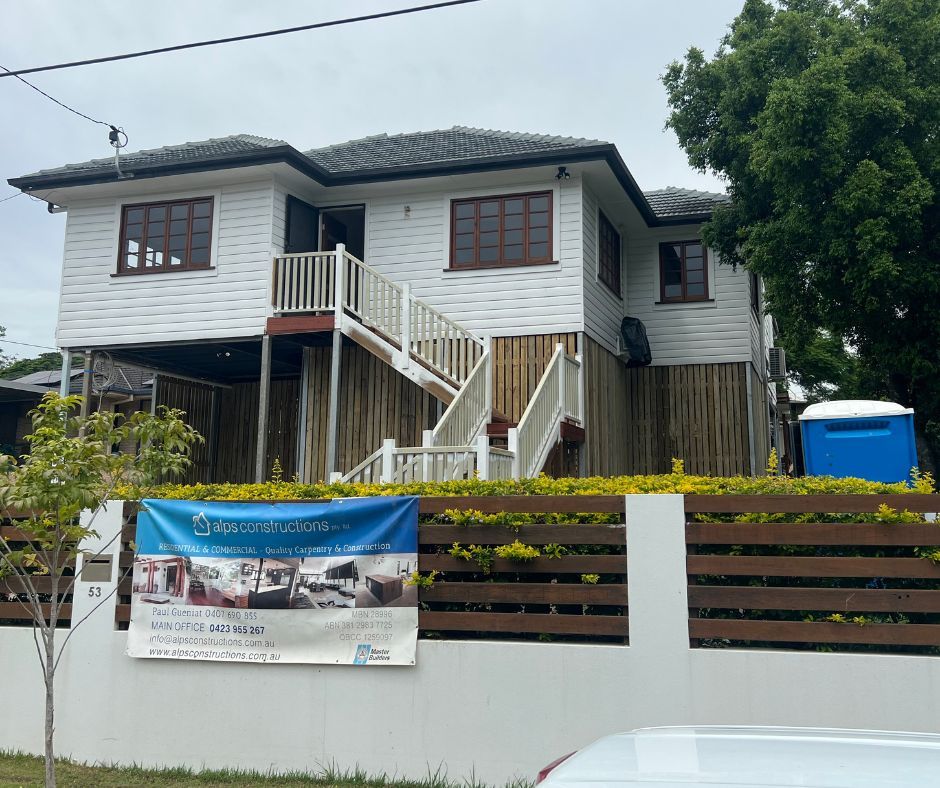
What’s Involved With Having Your House Raised?
When a house is raised, the whole structure is lifted, often with hydraulic jacks, and held on temporary supports. It is then lowered onto new or upgraded foundations, posts, or stumps.
Depending on your plan, you may also add a slab underneath or extra structural supports. You will often need to rework the stairs and entry points, and you will also need to address plumbing, electrical work, approvals, and building inspections.
Which Homes are Suitable for House Raising?
Homes with a raised floor and accessible subfloor space are often better candidates for house raising than slab-on-ground builds. Site access also matters because tight blocks, steep driveways, or low clearance can limit the lifting method and equipment your team can use. The smartest first step is a professional assessment, so you know if your home can be raised safely and what support work it will need.
House Raising Step-by-Step
House raising follows a set order, so the lift stays controlled and compliant. Here is what the process usually looks like on a real job site.
1. Initial Assessment & Planning
Your team checks the structure, site access, and any constraints that could affect the lift. They also confirm your goals, so the lift height and support design suit what you want to build underneath.
2. Approvals & Documentation
You will usually need drawings, engineering, and approvals because raising a house changes the structure and load paths. A reputable builder helps manage paperwork and keeps the project moving.
3. Site Prep & Utility Coordination
The crew clears the work area and protects items that could get damaged during the lift. They also organise any service isolation or temporary disconnections if needed.
4. Lift the House
Specialist jacks lift the home slowly and evenly, then the crew secures it on temporary supports. They check levels during the lift to keep the house stable and straight.
5. Install New Supports/Foundations
The crew installs new posts, or stumps and footings, and some projects also add a slab underneath for extra support. They size and position each support to carry the new loads safely and meet engineering requirements.
6. Lower, Secure, and Verify Levels
The house is lowered onto the new supports and fixed into position. Structural checks confirm levels, connections, and stability before the next stage starts.
7. Follow-On Works
If you are building under, this is when framing, stairs, services, and internal finishes begin. Even if you are not building under, the team still finishes any access changes and service adjustments the lift requires.
House Raising Costs (What Affects the Price)
House raising is a structural project, so pricing is driven by engineering, access, and the amount of support work required, not a simple “cheap vs expensive” choice. The size and weight of the home matter because heavier structures need more labour, equipment, and time on site. Lift height also plays a role, because higher lifts need stronger supports and tighter tolerances.
Existing foundations can shift the scope quickly. If the stumps, posts, or footings need replacing, include that in the budget from the start. Access and site complexity also influence pricing, especially on tight blocks where machinery and materials are harder to move around safely. If you are adding stairs, relocating services, or creating a liveable lower level, price those items early so your quote reflects the finished outcome you actually want.
Risks, Safety, and Choosing the Right Professionals
House raising is not a DIY job. It is heavy lifting, structural work, and compliance in one package. Choose a team with proven house raising experience, the right licences and insurance, and a clear safety plan on site. Ask for a detailed scope that spells out inclusions, exclusions, and assumptions, so you know what standard you are paying for and why.
Key Takeaways
Pricing varies based on lift height, house size and weight, foundation work, site access, and add-ons such as stairs, services, or a liveable lower level.

Speak with Alps Constructions
If you are planning a house raising and building under, or you are weighing up renovations, additions and extensions, speak with Alps Constructions. Contact our team for a house-raising assessment and a clear overview of what to expect. Tell us about your home and what you want to achieve, and we will talk you through your options, our cost-plus process, and the next steps.
FAQs
1. What is house raising, and how is it different from building an extension?
- House raising lifts an existing home higher and supports it on new or adjusted foundations or posts. An extension adds new floor area by building out or up, while raising changes the home’s height and can enable building underneath.
2. Does the foundation change, too?
- The structure is lifted and then securely supported at a higher level using engineered supports. The foundation often needs new or upgraded footings/stumps/posts to match the new loads and compliance requirements.
3. Can any house be raised?
- Not every home is suitable because the structure type, condition, and access can limit what’s possible. A professional assessment confirms feasibility and identifies any reinforcement needed before lifting.
4. How do I know if my home needs restumping before (or during) house raising?
- When a house is raised, the stumps or posts are typically replaced as part of the process because the new supports need to be taller to suit the lifted height. A qualified inspection can confirm the condition of the existing structure and help define the full scope of works.
5. How long does house raising usually take?
- The lifting phase can be relatively quick, but the full project timeline depends on approvals, foundation work, and any build-under plans. Your contractor should provide a staged schedule, so you know what happens and when.
6. Do I need approvals or permits to raise a house?
- In most cases, yes, because house raising is a major structural change and must meet building rules and safety standards. A reputable provider can guide you through the typical documentation and inspection steps.
7. What are the most common reasons homeowners raise their house?
- Homeowners often raise to create usable space underneath, improve functionality, and increase long-term value without expanding the footprint. It can also support structural upgrades and future renovations.
8. What are the biggest cost factors when raising a house?
- Costs are driven by house size/weight, how high it’s raised, site access, and how much foundation/support work is required. Add-ons like stairs, service relocation, and creating a livable space underneath can significantly change the budget.
9. How should I prepare my home before the lifting starts?
- You’ll usually need to clear the work zone, secure loose items, and follow the contractor’s guidance on access and utilities. A pre-lift checklist helps reduce delays and keeps the process safer and smoother.
10. Is raising an existing house more sustainable than demolishing and rebuilding?
- It can be, because retaining the existing structure may reduce waste and the need for brand-new materials. The overall sustainability depends on the scope of new works and how efficiently the project is planned and executed.