Second Storey House Extensions in Brisbane: What Homeowners Need to Know
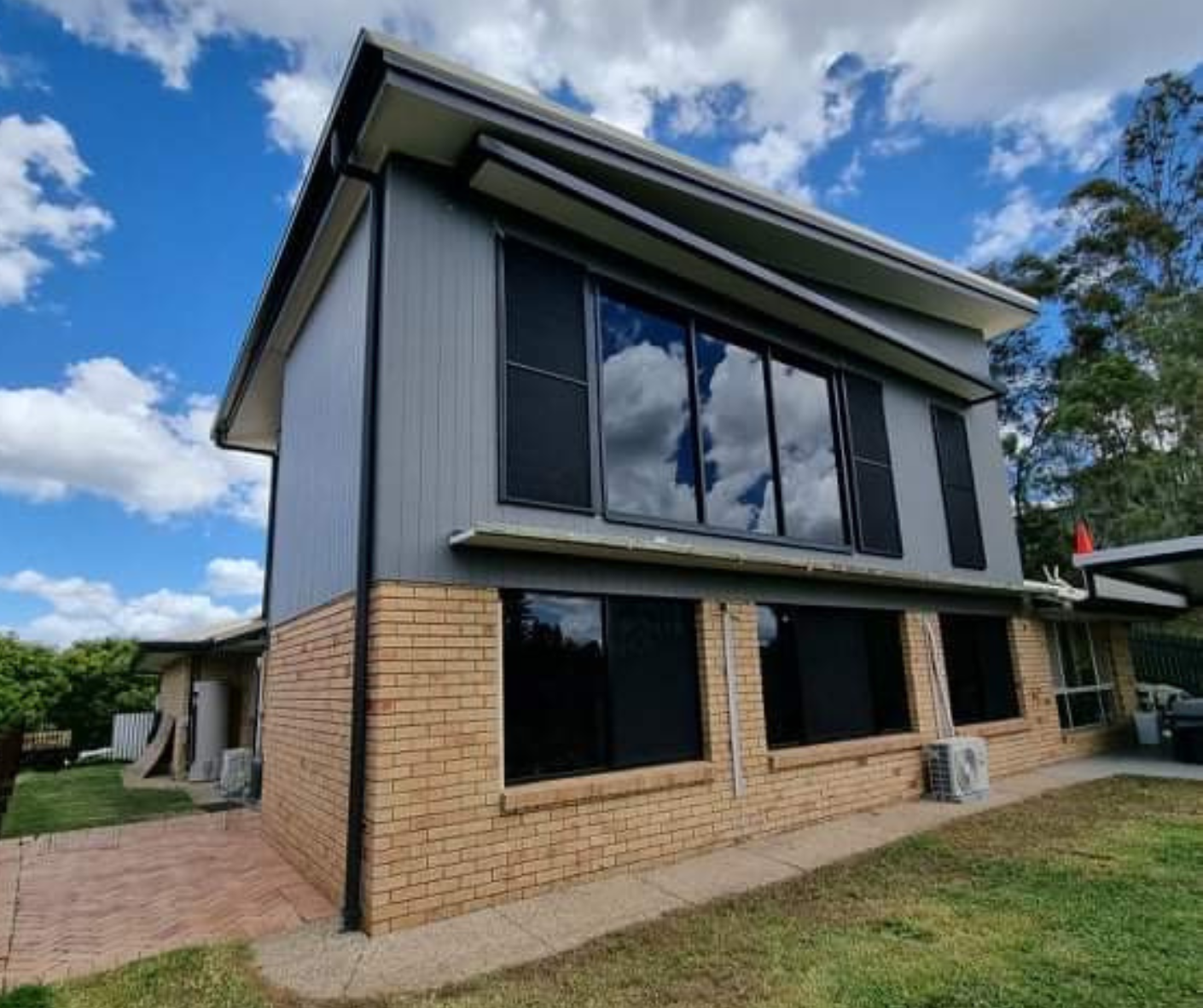
You love your suburb, your block, and your backyard, but your current layout no longer fits your family.
This is a common dilemma for many homeowners in Brisbane. One more bedroom would help. A proper home office would help even more. A parents' retreat sounds lovely. Giving up the yard you worked hard for does not.
Second storey house extensions can be a smart way to gain space without chewing through your outdoor area. But this is not the kind of project you plan from a mood board alone. Approvals, structure, stairs, budget, disruption, and builder choice all matter, and the wrong move early on can set the whole project back. Paul and Kristie at Alps Constructions have been doing this kind of work across Brisbane since 2008, with a deliberate focus on the complex jobs other builders avoid. The notes that follow come from that experience, not a template.
For the right homeowner, a second storey extension is not just about adding square metres. It is about solving a space problem properly, with a realistic plan, the right advice, and a builder who knows how to handle custom work instead of forcing a cookie-cutter solution.
Quick Answer: Are Second Storey House Extensions Worth It in Brisbane?
In short, yes, when the existing home, site, budget and family needs all line up. Second storey house extensions add bedrooms, a parents' retreat, a kids' zone or a home office without sacrificing the backyard. They suit Brisbane homeowners who want to stay in their suburb, keep their block, and improve the home they already have rather than start over somewhere smaller.
The catch is that not every house can or should grow upwards. Foundations, framing, roof form, character or heritage overlays, flood considerations, and stair placement all influence whether building up is the right move or whether extending out, or even rebuilding, would serve the household better. The right answer comes from an early feasibility review, not from a Pinterest board.
Is a Second Storey House Extension Right for Your Brisbane Home?
An extension can add value to your home and give you more room without sacrificing your backyard. The key is knowing whether your home, site, and budget make building the right choice.
Why Brisbane Homeowners Choose to Build Up Instead of Out
Plenty of Brisbane owners build up because the backyard is already doing enough heavy lifting. It might be the play area, the entertaining zone, the future pool site, or the only reason everyone still likes living there.
Building up can also make more sense than moving. You keep the suburb, school catchment, neighbours and routine you already know. You also avoid the costs and hassle that come with selling, buying, and starting over.
When a Second Storey Extension Makes Sense
A second storey house extension often suits growing families, households needing extra bedrooms, or owners wanting a better split between living zones and sleeping zones. It can also work well for a home office, guest room, teenage retreat, or a proper main suite.
If your downstairs layout still works reasonably well and the main problem is a lack of space, building up can be the smarter move.
When Another Option May Be Better
Not every house should grow upwards. A tight budget, major structural issues, awkward site constraints, or planning hurdles can make an outward extension or even a rebuild more practical.
It is worth comparing build up, extend out and moving before you get attached to one option. The exciting idea is not always the sensible one.
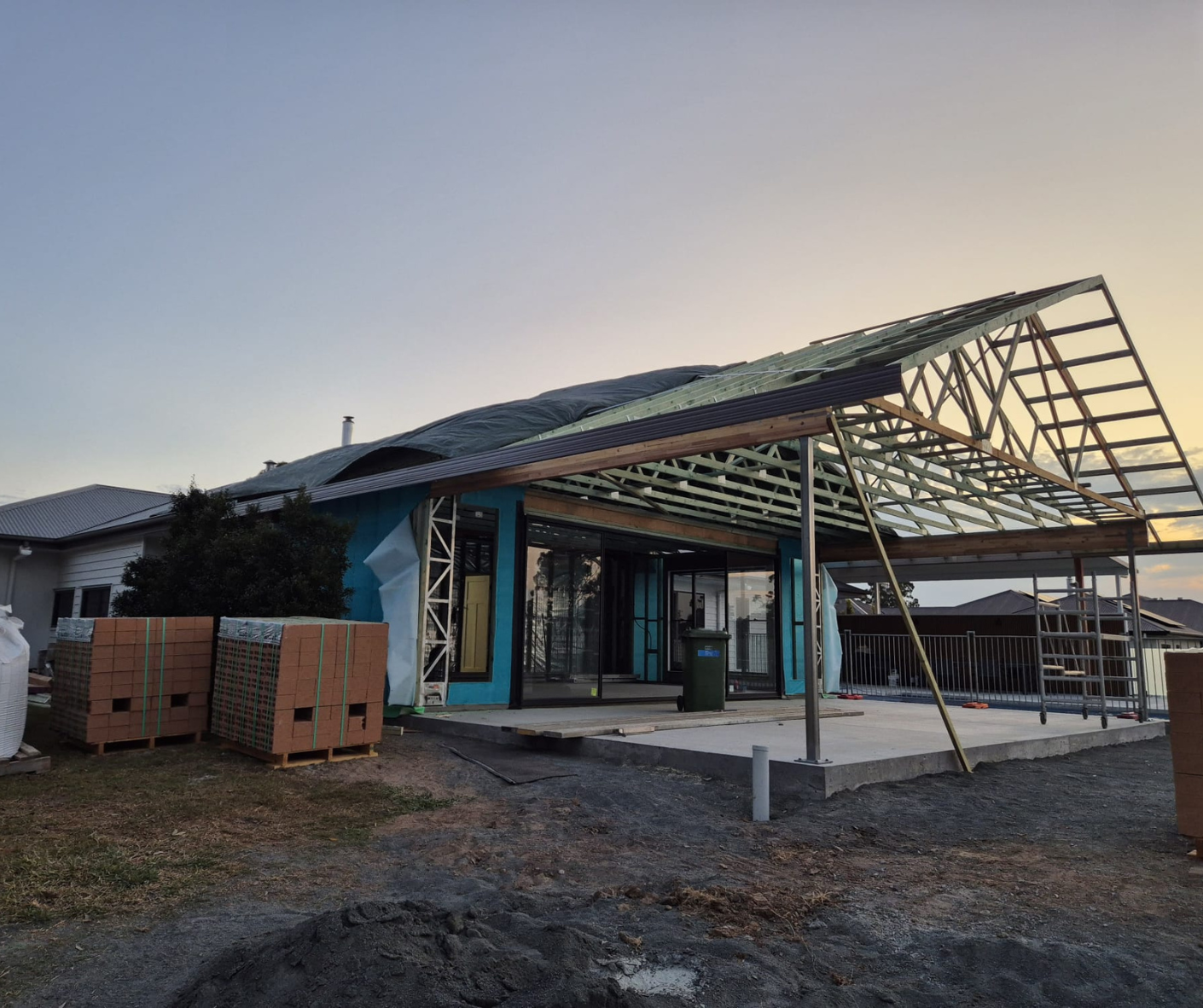
Start With Feasibility Before You Fall In Love With Design Ideas
Before you get excited about layouts and finishes, it pays to check whether the house, site, and budget can actually support the plan. A few early reality checks can save a lot of time, money, and frustration later. (Our broader home extension guide walks through these checks in more detail.)
Can The Existing House Support Another Level?
This is the first real test. Foundations, framing, roof form, and the current condition of the house all affect what is possible. An engineering assessment helps determine whether the existing structure can support another level or needs significant strengthening.
That answer can change the scope quickly. Better to know early than after paying for detailed plans.
How Much Downstairs Space Will the Stairs Take Up?
Stairs are one of the first reality checks. Yes, you gain useful floor area upstairs. Yes, you also lose some space downstairs.
The trick is placing the stairs where it improves flow instead of wrecking it. A well-planned stair feels natural. A badly placed one feels like a large, expensive interruption.
What Site and Layout Constraints Could Affect the Design?
Access, services, ceiling heights, room layout, and how the new level connects to the old one all matter. Even things like furniture flow and doorway positions can affect whether the design feels smooth or awkward.
This is where custom extension experience matters. Older Brisbane homes, especially Queenslanders and homes that have already been altered over time, can hide plenty of quirks behind perfectly innocent walls.
What Should Be Checked Before Plans Are Drawn?
Start with any existing plans, the structural condition of the home, and whether there are termite or pest issues. A rough feasibility budget also matters at this stage.
Pinterest can wait five minutes. First, work out whether the house, site, and budget are in the same relationship.
Brisbane Approvals and Planning Checks to Understand Early
This is one part of the project you do not want to leave until late. Brisbane planning rules, overlays, and flood requirements can shape the design, approval path, and budget from the start.
Building Approval vs Planning Approval
In Brisbane, building approval is typically needed before extension work starts. Depending on the property and the design, you may also need planning approval and, in some cases, plumbing or other related approvals.
How Brisbane City Plan Affects a Second Storey Extension
Brisbane City Plan 2014 guides how land is used and developed across the city. City Plan online lets owners check the property-specific planning scheme information that applies to their site, including zones, overlays, and neighbourhood plans.
That matters because setbacks, siting rules, overlays, and local neighbourhood controls can all shape what your extension can look like.
Heritage, Character and Traditional Homes
Heritage and character homes are not the same thing in Brisbane. Council identifies and protects them differently, and different rules can apply depending on the property.
For sites in the traditional building character overlay, external extensions generally need planning approval. Council also notes that some extensions and renovations to houses built during or before 1946 require planning approval, with added sensitivity around demolition and design controls.
That is especially relevant for the kind of work Alps is known for. Many of our second storey house extensions are not neat little boxes on flat, blank sites. They are older homes with character, history, quirks, and approval pathways that need proper early advice, which is why we recommend renovating a Queenslander home is treated as its own conversation.
Should You Check FloodWise Before Designing?
Yes. Brisbane City Council says the FloodWise Property Report is designed for builders, architects, engineers, and development professionals, and it includes estimated flood levels and habitable floor level requirements for a property.
If flood-related constraints show up late, they can affect floor levels, design choices, development requirements, and cost. That is not the kind of surprise anyone enjoys.
Best Second Storey House Extension Ideas for Brisbane Homes
The best house extension second storey ideas do more than add rooms. The right design improves how the home works day to day while still suiting Brisbane homes, family life, and the look of the original house. (For broader inspiration, see our 11 house extension ideas to transform your home.)
Add Bedrooms and a Family Bathroom Upstairs
This is the classic layout move. Put the sleeping spaces upstairs, add a family bathroom, and free up the lower level for living and entertaining.
Create a Private Parents' Retreat
A main bedroom with an ensuite and walk-in robe can give parents privacy without pushing the rest of the house around. It is practical, popular, and easy to appreciate after one noisy Saturday morning.
Build a Kids' Zone With a Study Nook or Rumpus
A dedicated kids' level can help keep bedrooms, study areas, and general chaos in one zone. Families usually appreciate that more than they realise at the planning stage.
Add a Flexible Guest Room or Home Office
Not every project needs four bedrooms upstairs. Sometimes one flexible room does more useful work over time, especially if family needs are likely to change.
Design The Upper Level to Suit Queenslander or Character Homes
The best additions do not look slapped on as an afterthought. They respect the original home's proportions, roofline, materials, and street appeal.
Design Details That Make or Break the Final Result
Good design is not just about adding more space upstairs. It is about making sure the new level feels comfortable, practical, and well-connected to the home below.
Staircase Placement and Flow
The stairs should support circulation, not bully it. Good placement can preserve the downstairs function and make the extension feel like it belongs.
Window Placement for Light, Breezes and Privacy
Brisbane homes benefit from daylight and cross-ventilation, but privacy still matters. Smart window placement can capture breezes, manage heat, and avoid turning the neighbour's deck into part of your living experience.
Matching the Façade, Roofline and Materials
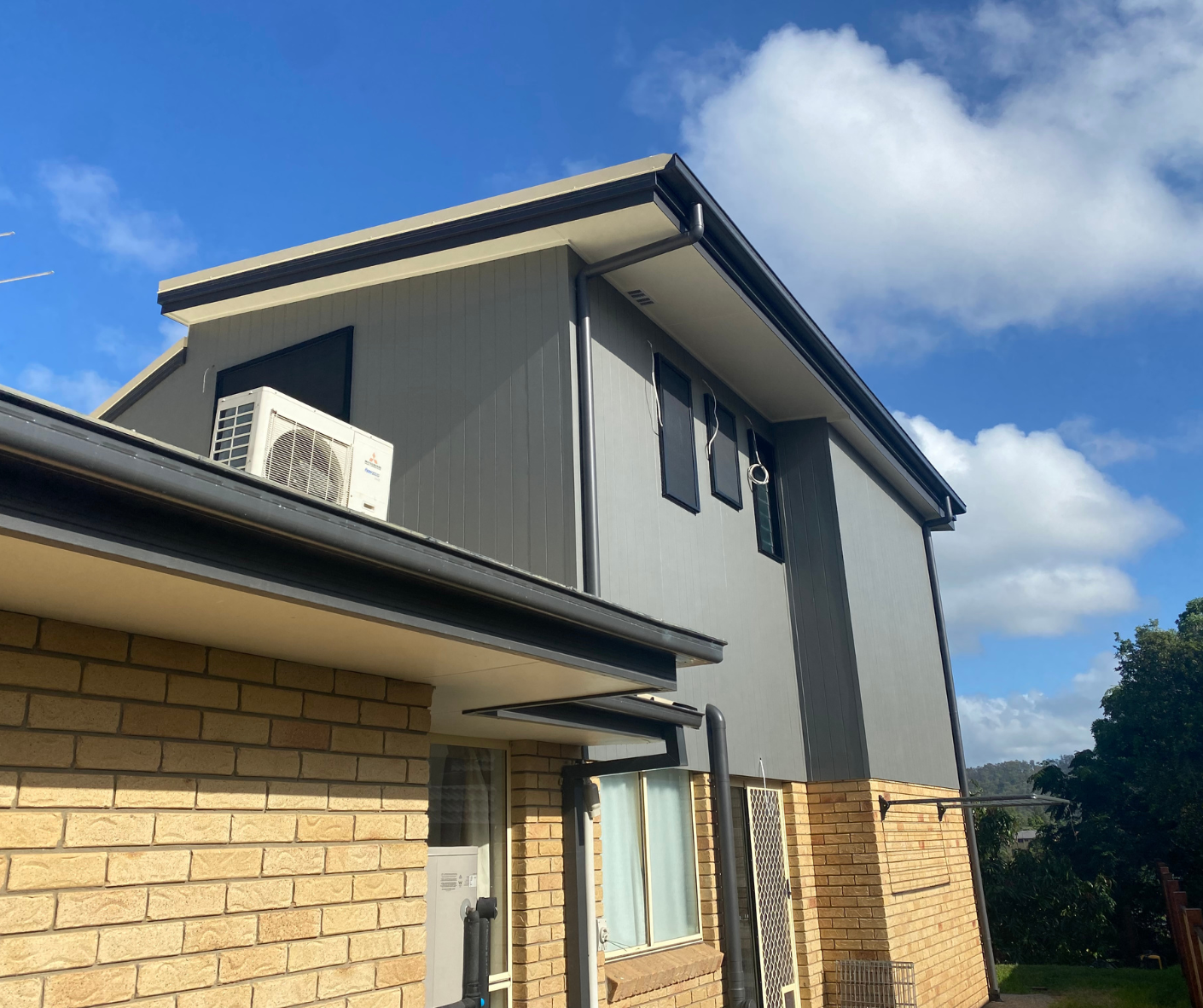
A second storey house extension should feel cohesive from the street. If the top looks unrelated to the bottom, the whole project can feel off, even if the floor plan works.
Designing for Brisbane's Subtropical Climate
Airflow, heat control, and daylight are not optional extras in Brisbane. They are part of what makes the home comfortable to live in.
Being a Good Neighbour
Bulk, overlooking, and streetscape fit should be considered early. Good design often leads to a smoother approvals path and fewer headaches with neighbours.
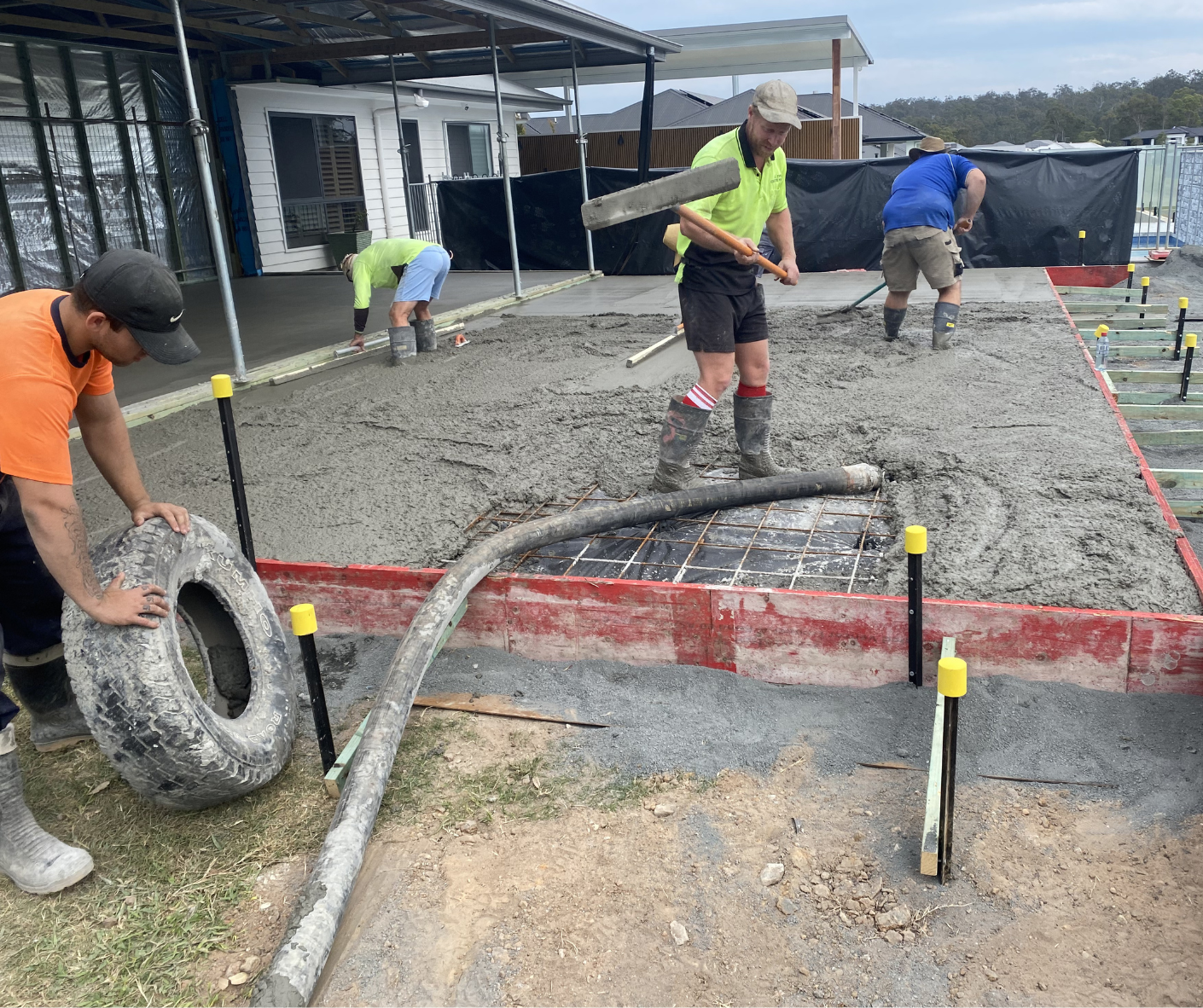
What Affects Cost and Timeline?
Cost and timing can shift quickly in a second storey extension, especially once work starts on an existing home. Understanding the main cost drivers early can help you plan more realistically and avoid budget shocks later.
Biggest Cost Drivers in a Second Storey Extension
Structural reinforcement, roof removal and replacement, stair construction, wet areas, finishes, and electrical or plumbing upgrades can all shift the budget. The more complex the existing house, the more moving parts there usually are. Construction choices matter too. Lighter framing systems can reduce the load on the existing structure, which can in turn reduce the foundation work required.
Industry guides commonly quote second storey work at a higher rate per square metre than a single-storey extension, often around 20 to 50 percent more depending on access, structural complexity, and finish level. Treat any blanket figure with caution. Each project carries its own scope, and a builder who quotes a rate without seeing your home is guessing.
Hidden Costs Homeowners Often Miss
Rewiring, replumbing, façade updates, storage, temporary accommodation, and fixing pre-existing issues can all creep in. Existing homes are famous for revealing surprises at the least convenient moment.
Why Contingency Matters
Unexpected site conditions, scope changes, and upgraded finishes can all affect final cost. That is why contingency is not pessimism. It is basic common sense.
For complex renovations and extensions, Alps often works on a cost-plus basis rather than pretending every variable can be locked into one neat fixed figure from day one. Our pricing approach explains that the 25 percent construction margin is not simply profit. It also helps cover business overheads such as tools, vehicles, insurance, licensing and future warranty costs. Carpentry labour, builder's labour and project management are treated separately rather than being buried inside one fuzzy number.
Alps also uses a separate weekly project management fee to cover scheduling, ordering materials, budgeting, trade coordination, deliveries, owner liaison, and the usual problem-solving that comes with custom building work. That fee does not have the 25 percent construction margin added to it. Once work is on site, clients receive weekly invoices with labour breakdowns, project management charges, itemised costs, receipts and non-carpentry trade invoices. That kind of open-book approach suits serious homeowners who want clarity, not smoke and mirrors.
Why Written Variations Matter
QBCC says variations should be kept to a minimum and that failing to properly record and approve variations before they are carried out is one of the most common causes of serious building disputes.
In plain terms, if something changes, get it in writing before the work happens.
Home Warranty and Insurance Basics in Queensland
QBCC says home warranty insurance is paid by the contractor for residential construction work under fixed-price and cost-plus residential contracts. It is part of Queensland's consumer protection framework for covered work.
Can You Live in the House During a Second Storey Extension?
Sometimes you can, especially if the work is staged and the lower floor stays safe and functional. Sometimes you really should not.
If roof removal, major service interruptions, safety risks, dust, and noise reach a certain point, temporary relocation may be the more sensible option. It is not glamorous, but neither is showering at your in-laws' place with two kids and a Labrador.
Protect belongings early, make a plan for pets, and assume your routine will need adjusting for a while.
How to Choose the Right Brisbane Builder, Designer and Certifier
The right team can save you time, stress, and costly missteps. For a house extension second storey project, clear advice and relevant experience matter from the start.
Who You May Need On The Project
A second storey house extension often involves a designer or architect, an engineer, a builder, and a building certifier. Depending on the site and house, early advice from the right people can save time and redesign costs later.
What to Ask Before Comparing Quotes
Ask about relevant extension experience, timeframes, inclusions, exclusions, and similar past projects. Also, ask how approvals, structural advice, and variations are handled.
For a project like this, it is worth asking whether the builder can guide you from early feasibility and consultant coordination right through to construction or step in later if you already have plans. That flexibility is important in custom work, especially when clients are at different stages and want different levels of involvement.
Why Licence Checks Matter
QBCC provides public registers so owners can check contractor and certifier details before engaging anyone. That is a very sensible habit before signing anything.
What Should Be Locked in Before Signing
Make sure the scope, drawings, approval responsibilities, contract terms, and variation process are clear. Good documentation reduces confusion later, which is a lovely way of saying it reduces arguments.
Common Mistakes Brisbane Homeowners Should Avoid
A few early mistakes can turn a good extension idea into a more stressful and expensive project.
Starting With Inspiration Instead of Feasibility
It is easy to get excited by layouts and Pinterest ideas before checking what the house can actually support. A feasibility review should come first, so you do not waste time and money chasing the wrong plan.
Underestimating the Stair Footprint
Stairs take up more room than many homeowners expect. If the stairs are placed poorly, they can interrupt the flow and shrink useful downstairs space.
Ignoring Overlays, Flood Risk or Character Controls
Planning overlays can affect what you can build and how the design needs to respond. Flood risk, character rules, and local controls are worth checking early, not after plans are drawn.
Focusing on Floor Area, But Not Ventilation, Privacy or Heat
More space does not always mean better living. The new level also needs good airflow, natural light, privacy, and heat control to feel comfortable year-round.
Forgetting Contingency or Failing to Document Changes
Existing homes can uncover hidden issues once work begins. It also pays to record any changes in writing, so the budget and scope stay clear for everyone.
Why Brisbane Homeowners Choose Alps Constructions for House Extension Second Storey
A second storey house extension can be a smart long-term move if you need more space but do not want to lose the backyard or leave a suburb that still works for your family.
The best outcomes usually come from early feasibility checks, local planning advice, realistic budgeting, and a design that suits Brisbane conditions. That is the kind of work Paul and Kristie have built Alps Constructions around since 2008, with a deliberate focus on custom renovations and extensions across Brisbane and the western suburbs.
If you are planning second storey house extensions in Brisbane, the best first step is not chasing a fast ballpark quote from three random builders. It is getting clear on feasibility, approvals, scope, and budget. Alps Constructions is set up for that kind of serious early-stage planning. Get in touch with our team to discuss additions and extensions, renovations, or a custom new home.
Key Takeaways
- A second storey extension can add the bedrooms, retreat space or home office a growing family needs without giving up the backyard or moving suburb.
- Feasibility should always come before design. Foundations, framing, roof form, and overlays decide whether building up is realistic before any drawings are paid for.
- Brisbane-specific checks matter early. Brisbane City Plan 2014, character and heritage overlays, and the FloodWise Property Report can all shape what is allowed and what the project will cost.
- Stairs, light, ventilation, privacy and street appeal matter as much as floor area. The best designs feel like part of the original home, not stacked on top of it.
- Cost-plus pricing, written variations, and clear weekly project management invoicing are the safer commercial framework for a custom build of this scale.
- Choose a builder who can guide you from feasibility through to handover, not just one who will quote off a finished plan.
FAQs
Is a second storey house extension worth it in Brisbane?
For the right home, yes. Second storey house extensions suit owners who want more bedrooms, a parents' retreat or a home office without losing the backyard or leaving a suburb that still works for the family. The numbers stack up best when the existing home is structurally sound, the site has no major planning constraints, and the household plans to stay long enough to enjoy the result. Where the structure is compromised, the overlays are restrictive, or the budget is tight, an outward extension or rebuild may serve you better.
How much does a second storey house extension cost in Brisbane?
There is no reliable one-size-fits-all figure. Industry guides commonly note second storey work runs around 20 to 50 percent more per square metre than a ground-floor extension because of structural reinforcement, roof removal and stair construction. The realistic cost for any given project depends on the existing structure, the scope, wet areas, finish level, access and approvals. A genuine quote follows a site visit and a defined scope, not a phone call.
Do I need council approval for a second storey extension in Brisbane?
You will typically need building approval, and many projects also need planning approval depending on the property and the scope. Sites in the traditional building character overlay generally require planning approval for external extensions, and some pre-1946 homes have additional design controls. Plumbing and other related approvals may also apply. Checking these early prevents costly redesigns.
Can my existing house support a second storey?
Possibly, but only after the structure, foundations, and roof configuration have been properly assessed. An engineer can confirm whether the existing slab, footings and framing can carry the new load or whether strengthening is required. Older Brisbane homes often need some structural upgrade work, particularly Queenslanders that have been altered over time. The earlier this assessment happens, the cleaner the design process becomes.
Can I live in my house during a second storey extension?
Sometimes, yes. It depends on the scope, safety, staging, and how disruptive the work will be. Where the lower floor can be sealed off, services maintained, and access kept safe, staying put is workable. Once major roof removal, service interruptions or extended demolition are involved, temporary accommodation is usually the more sensible call.
How long does a second storey extension take?
It depends on the design, approvals, and build complexity. Pre-construction (design, certifier coordination, engineering and approvals) often adds months before the build itself begins. The build phase for a full second storey addition commonly runs several months once on site. Older homes and more involved approval pathways usually take longer than newer, simpler structures.
What rooms should go upstairs in a second storey extension?
Bedrooms, ensuites, parents' retreats, kids' zones, guest rooms and home offices are the most common choices. Putting the sleeping zones upstairs frees up the lower level for living, entertaining and family circulation, which is why this split works so well for growing households. The right answer for any home depends on how the family actually lives, not on what the catalogue layouts suggest.
How much space do stairs take up downstairs?
Usually more than people expect. A compliant staircase, including the run, landing and headroom, can easily consume the equivalent of a small room downstairs. That is why stair placement is one of the first decisions to test in a feasibility review, before the upstairs layout is locked in.
Are second storey extensions suitable for Queenslanders or character homes?
Yes, but they need a more careful design and approval approach. Queenslanders carry structural quirks, framing surprises and material details that need to be matched rather than replaced wholesale. Where the property is covered by a character or heritage overlay, planning approval is typically required and additional design controls apply. The right builder will treat this as a known process, not an unexpected complication.
How do I choose the right builder for second storey house extensions in Brisbane?
Look for relevant extension experience, a clear process, proper QBCC licence checks, strong communication, and contract clarity before work begins. Ask whether the builder can guide you from feasibility through to handover, or step in later if you already have plans. Ask how variations are documented, how invoicing works, and how often you will hear from the team during the build. A builder who answers those questions directly is the kind worth shortlisting.